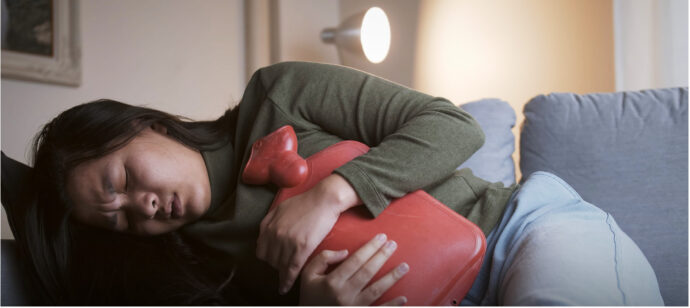
Many girls and women are told that painful periods are something they simply have to live with. They are encouraged to “be strong”, take painkillers, or accept that discomfort is part of womanhood. But for some, the pain is far more severe than normal. It may be a sign of endometriosis, a chronic condition that affects millions of women worldwide.
Because symptoms can be mistaken for ordinary menstrual cramps, many women live with the condition for years before receiving the right diagnosis. Early recognition can make a significant difference to quality of life, fertility, and emotional wellbeing.
What is endometriosis?
Endometriosis occurs when tissue similar to the lining of the uterus grows outside the womb. These growths are commonly found on the ovaries, fallopian tubes, bladder, bowel, and the tissues lining the pelvis.
Like the lining inside the uterus, this tissue responds to monthly hormonal changes. It thickens, breaks down, and bleeds during each menstrual cycle. However, because the blood has no way to leave the body, it can cause inflammation, scarring, and adhesions.
Although endometriosis most often affects women during their reproductive years, it can also occur in teenagers. It is estimated that one in 10 women of reproductive age has the condition.
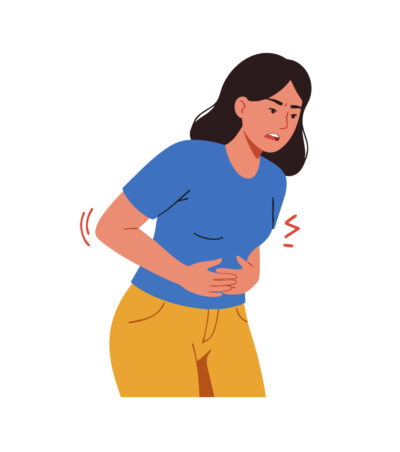
Common symptoms
Symptoms vary from one person to another. Some women experience severe pain, while others have few or no symptoms. Common signs include:
- Severe menstrual cramps that interfere with daily life
- Pelvic pain before or during menstruation
- Pain during or after sexual intercourse
- Pain when passing urine or opening the bowels, especially during menstruation
- Heavy menstrual bleeding or bleeding between periods
- Bloating, diarrhoea, or constipation during periods
- Difficulty becoming pregnant
- Fatigue that affects work, school, or daily activities
What causes it?
The exact cause remains unknown. Researchers believe several factors may play a role, including genetics, hormones, and the immune system. Possible contributing factors include:
- A family history of endometriosis
- Menstrual blood flowing backwards through the fallopian tubes into the pelvis
- Changes in cells within the pelvic cavity
- Immune system problems that prevent the body from removing misplaced tissue
Endometriosis is not caused by poor hygiene, exercise, or lifestyle choices.
Who is at higher risk?
Certain factors may increase the likelihood of developing endometriosis:
- A mother or sister has endometriosis
- Menstruation started at a young age
- Short menstrual cycles or heavy periods
- Never having given birth
- Certain abnormalities of the reproductive tract
Possible complications
If left untreated, endometriosis can affect many aspects of a woman’s life. Complications may include:
- Chronic pelvic pain
- Fertility problems
- Ovarian cysts known as endometriomas
- Scarring and adhesions
- Anxiety, depression, and emotional stress caused by ongoing pain
- Disruption to work, studies, and family life
Many women with endometriosis are able to conceive naturally. Others may need fertility treatment.
Management and treatment

Although there is currently no cure, treatment can successfully control symptoms and improve quality of life. Management may include:
- Pain-relieving medication
- Hormonal treatments to reduce or stop menstruation
- Laparoscopic surgery to remove endometriosis tissue
- Fertility treatment where necessary
- Regular follow-up with a gynaecologist
Support is available
Living with endometriosis can be physically and emotionally exhausting. In Malaysia, Persatuan Endometriosis Malaysia (MyEndosis) provides education, advocacy, and peer support for women living with the condition. Connecting with others who understand the challenges can reduce feelings of isolation and encourage women to seek timely treatment.
Painful periods should never be dismissed as something women simply have to endure. When pain is severe, persistent, or interferes with everyday life, it deserves medical attention. Greater awareness among parents, teachers, and healthcare professionals can help girls and women receive an earlier diagnosis. With the right treatment and support, most women with endometriosis can manage their symptoms, protect their health, and continue to lead active, fulfilling lives.