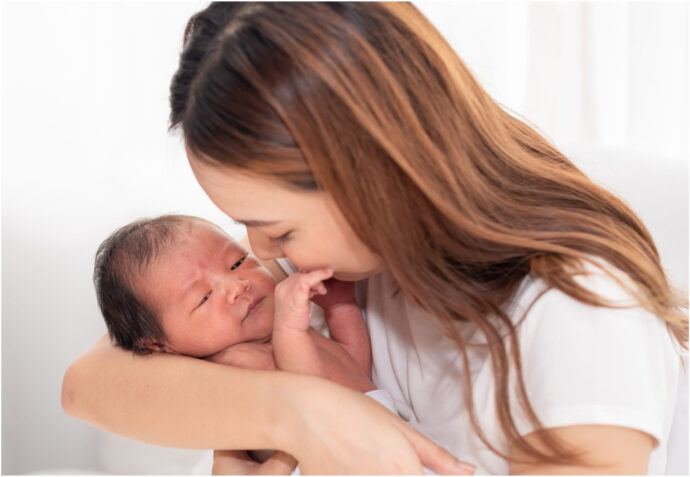
The weeks after childbirth – often called the “fourth trimester” – are a time of healing, adjustment, and learning. In Malaysia, many mothers observe confinement, supported by family, traditional foods, and sometimes a confinement lady. While these practices can help with rest and recovery, it’s just as important to understand what your body is going through and recognise when something isn’t right.
Expected symptoms during the postpartum period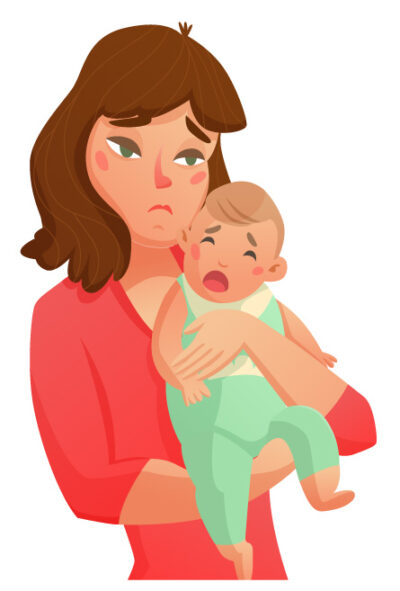
Your body needs time to recover after delivery, whether natural or via C-section. It is normal to experience vaginal bleeding (lochia) for up to four to six weeks, along with mild cramping as the uterus shrinks back to its pre-pregnancy size.
You may also notice breast engorgement, especially in the early days of breastfeeding, as well as soreness around stitches or surgical wounds. Fatigue is common, and many mothers experience mood swings or the “baby blues” in the first couple of weeks. These symptoms should gradually improve with time and rest.
Complications to watch for
While some discomfort is expected, certain symptoms require closer attention. Heavy bleeding that soaks through a pad within an hour or involves large clots could indicate postpartum haemorrhage and needs urgent care.
Emotional wellbeing is equally important. Persistent sadness, anxiety, or feeling detached from your baby may be signs of postpartum depression. Infections can present as fever, worsening pain, or unusual discharge, while ongoing urine leakage may signal weakened pelvic floor muscles. These conditions are manageable, especially when identified early. Treatment may include counselling, medications like antibiotics, gentle Kegel exercises, or others, depending on the complications.
When to seek help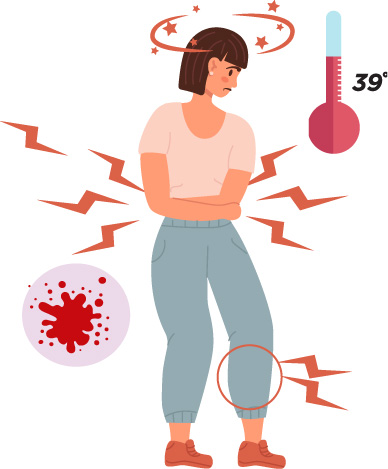
Trust your instincts – if something feels off, it’s worth checking. Seek medical attention if you experience:
- Heavy or sudden bleeding
- Fever above 38°C
- Severe abdominal, wound or pelvic pain
- Signs of infection like redness, pus-like discharge, or abnormal swelling around the caesarean section wound or perineum at the episiotomy site
- Severe breast engorgement that is painful, does not improve after feeding or expressing milk, or is accompanied by redness, lumps, or fever (possible mastitis)
- Pain/swelling in legs (possible clot)
- Thoughts of harming yourself or your baby
You can visit your nearest health clinics or private healthcare provider. For emotional support, services like Talian HEAL 15555 are available to listen and guide you.
Self-care after birth
Recovery is not just physical – it’s emotional and mental too. Rest as much as possible, even if it means taking turns to sleep when your baby sleeps or accepting help from family members.
Nourishing foods, including traditional options like ginger-based dishes or soups, can support healing – but it’s helpful to focus on choices that are also medically supported for recovery.
Evidence-based recommendations include:
- Protein-rich foods (eggs, chicken, fish, tofu, legumes) to support tissue repair and wound healing
- Iron-rich foods (spinach, red meat, lentils) to replenish blood loss and prevent anaemia
- Calcium-rich foods (milk, yoghurt, ikan bilis, tofu) to support bone strength, especially if breastfeeding
- Fibre-rich foods (whole grains, fruits, vegetables) to prevent constipation, which is common after delivery
- Adequate fluids – water, soups, and milk – to stay hydrated and support breast milk production
Ease back into gentle movement once your doctor gives the green light. Just as importantly, check in with yourself. Talk to someone you trust about how you’re feeling – because caring for yourself is an essential part of caring for your baby.