The weeks after childbirth can feel overwhelming. Between feeding schedules, sleepless nights, and adjusting to a new routine, exercise may seem like the last thing on your mind. However, gentle and appropriate movement during the postpartum period can support both physical recovery and emotional well-being.
Understanding your postpartum body
The puerperium refers to the first six weeks after delivery, when your body gradually returns to its pre-pregnancy state. Common changes include:
- A shrinking uterus and ongoing vaginal discharge (lochia)
- Hormonal shifts that may affect mood and energy levels
- Weakened abdominal and pelvic floor muscles
- Joints that feel less stable or “wobbly”, especially if you are breastfeeding
- General fatigue due to disrupted sleep
These changes are normal. Recovery is not a race, and every woman’s journey is different.
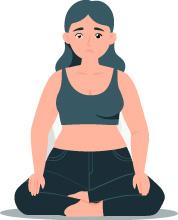
When and how to start exercising again
As a general guide:
- Normal vaginal delivery: Gentle activity can begin as early as one to two days postpartum, if you feel comfortable.
- Caesarean section: Wait until after your six-week postnatal review, unless advised otherwise. Start activity to your comfort level. Pain will help you make decisions. Mobility reduces complications.
- Start slowly:
- Begin with five to ten minutes a day.
- Focus on breathing, movements while lying down, and posture.
- Stop if you feel pain, dizziness, or excessive fatigue.
- Always seek clearance from your doctor, especially if you had complications during your delivery, e.g. heavy bleeding or perineal tears.
Types of gentle postpartum workouts
| Exercise type | Benefits |
|---|---|
|
|
|
|
|
|
|
|
|
|
|
|
Reminder: Avoid high-impact activities (such as running or jumping) until your pelvic floor and core are stronger.
When to stop: knowing the “red flags”
If you experience any of the following symptoms during or after exercise, stop immediately and consult your doctor:
- Sudden increase in vaginal bleeding
- Severe pelvic or abdominal pain
- Shortness of breath or dizziness
- Signs of mastitis: Fever, flu-like symptoms, or a painful, red, hot lump in the breast
- Calf pain or swelling: Especially if it occurs in only one leg, as this can be a sign of a blood clot (deep vein thrombosis or DVT)
In Malaysia, many community centres and hospitals offer postnatal fitness sessions tailored for new mums. Progress may be gradual, and that is perfectly normal. Instead of focusing on “getting your body back,” aim for improved energy levels and better sleep quality. Listen to your body, be kind to yourself, and seek professional advice if you are unsure. Being a healthy mother is one of the greatest gifts you can give your child.