
Malaysia’s fertility rate has been falling steadily over the years and has dropped below the replacement level of 2.1 children per woman, the point needed for each generation to replace itself. While many factors influence this trend – including lifestyle choices, career priorities and the cost of raising children – one medical factor that deserves attention is infertility.
Understanding the decline
Fewer babies are being born partly because more couples are struggling to conceive. Infertility, defined as the inability to get pregnant after a year of regular, unprotected sex (or six months if the woman is over 35), affects about one in six couples worldwide – and Malaysia is no exception.
One key reason is delayed childbearing. Many Malaysian women today are pursuing higher education and career goals before starting families. This means marriage and first pregnancies often happen later in life. Unfortunately, age has a major impact on fertility. A woman’s egg quality and quantity decline after age 35, making conception more difficult and increasing the risk of miscarriage or genetic abnormalities. In addition, many couples delay having children or decide to have a smaller family due to increased cost of living and raising children, contributed by economic inflation and declining purchasing power.
Other medical conditions can also affect fertility:
- Lifestyle diseases: Rising rates of obesity, diabetes and polycystic ovary syndrome (PCOS) can interfere with ovulation and reproductive health.
- Male factor infertility: Low sperm count, poor sperm movement or abnormal sperm shape contribute to nearly half of infertility cases.
- Tubal disease: Blocked fallopian tubes, often caused by pelvic infections, can prevent eggs and sperm from meeting.
- Endometriosis: A painful condition where tissue similar to the uterine lining grows outside the womb, which can cause inflammation and affect fertility.
How Assisted Reproductive Technology (ART) helps
For couples facing such medical challenges, Assisted Reproductive Technology (ART) offers hope. ART refers to fertility treatments where eggs or embryos are handled outside the body to assist conception. These medical techniques help overcome biological barriers such as blocked tubes, low sperm quality or reduced egg supply. While ART cannot reverse Malaysia’s overall fertility trend, it gives couples who genuinely want children a chance to build their families.
Common types of ART
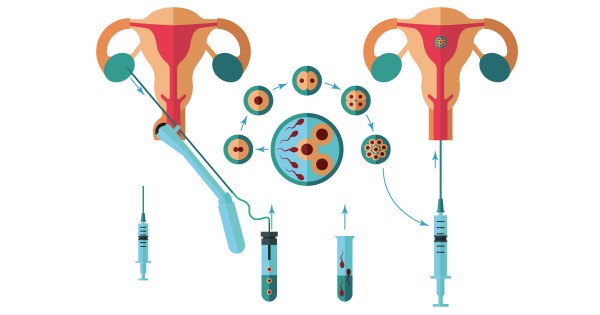
- In vitro fertilisation (IVF): This is the most well-known procedure in Malaysia. It involves retrieving eggs from a woman’s ovaries, fertilising them with sperm in a lab, and transferring the resulting embryo back into the womb.
- Intrauterine insemination (IUI): IUI is a fertility treatment that involves placing specially prepared sperm directly into the uterus around the time of ovulation to facilitate fertilisation. It is a minimally invasive procedure that increases the chances of conception by shortening the distance the sperm needs to travel to the egg.
- Intracytoplasmic sperm injection (ICSI): Often part of an IVF cycle, ICSI is designed for severe male infertility. A single healthy sperm is injected directly into an egg to aid fertilisation.
- Cryopreservation (freezing eggs, sperm or embryos): This option allows individuals or couples to preserve their fertility for the future. For example, women who wish to delay motherhood or those undergoing medical treatments such as chemotherapy can freeze their eggs while still young, when fertility potential is higher.
Government support for couples
Recognising the emotional and financial strain of fertility treatment, the Malaysian government has introduced several measures to help ease the cost:
- EPF withdrawal: Malaysian citizens and permanent residents under 55 can withdraw savings from their Employees Provident Fund (Account 2) to pay for fertility treatments such as IVF or intrauterine insemination (IUI) for themselves or their spouses.
- Tax relief: General medical tax relief of up to RM 10,000 also covers fertility treatments for the individual or their spouse. Couples are encouraged to check with the Inland Revenue Board (LHDN) for details.
- BuAI initiative: Under the Fertility Treatment Assistance and Infertility Advocacy (BuAI) initiative in Budget 2025, the government has allocated RM6 million to create public awareness on infertility and to provide up to two cycles of fully subsidised Intrauterine Insemination (IUI) treatment for 1,300 eligible couples through LPPKN Subfertility Clinics and LPPKN Nur Sejahtera Clinics. Couples with a household income of less than RM10,000, who have never received financial assistance for fertility treatment from any agency, are eligible for this subsidy.
- Wide fertility care access: Through LPPKN’s wide network of 50 clinics throughout the country, Malaysian couples are presented with a convenient entry point into affordable infertility treatment.
- Men’s wellness clinic (MWC): Recognising the need for a dedicated service to improve men’s health and fertility, LPPKN has established an affordable men’s wellness service in seven of its clinics nationwide to better cater to their needs.
These initiatives, as well as other childcare and workplace policies and financial incentives, show the government’s commitment to supporting couples who need medical assistance to start a family.
The bigger picture
Fertility decline is a national concern, but it is also deeply personal for couples who long for children. While social and economic policies play a role, access to medical support like ART ensures that infertility is not a barrier to parenthood. For many Malaysians, the journey to conception can be challenging – but with the right information, professional guidance, and available support, hope remains within reach.