
Pregnancy and the postpartum period are times of extraordinary physiological change. While much attention is often focused on foetal growth and caloric intake, the maternal gut microbiome stands as a silent but powerful architect of both mother and child’s health. This complex ecosystem of bacteria influences everything from nutrient absorption and immune function to emotional well-being. Maintaining a balanced gut is vital for navigating the metabolic demands of pregnancy and the recovery challenges of the postpartum “fourth trimester.”
The microbiome shift
During pregnancy, the gut microbiome undergoes a programmed shift. As the trimesters progress, microbial diversity often decreases while specific bacterial populations increase to help the mother’s body store energy and regulate glucose more efficiently. However, these natural shifts, coupled with hormonal surges (like progesterone), can lead to common issues such as constipation, bloating, and heartburn. Postpartum, the microbiome must once again recalibrate as the body heals from birth and initiates lactation.
Essential allies: probiotics and prebiotics
Targeted nutritional intervention can help stabilise this delicate ecosystem. Two of the most effective tools are probiotics, the beneficial bacteria themselves, and prebiotics, the specialised fibres that feed them.
Probiotics
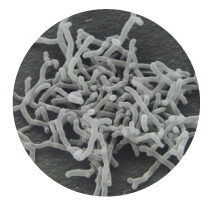
Among the various strains studied for maternal health, Bifidobacterium longum BB536 is a standout. This bacteria strain is remarkably stable and well-suited to the human intestinal environment.
- Digestive regularity: BB536 has been clinically shown to alleviate constipation, a frequent complaint during the third trimester, by improving bowel movement frequency and stool consistency.
- Immune support: It helps modulate the maternal immune system, potentially reducing the risk of common infections.
- Seeding the future: By maintaining a healthy bifidobacteria population, mothers provide a better microbial “starting kit” for their infants during delivery, which is crucial for the baby’s early immune development.
Prebiotics
Prebiotics like fructo-oligosaccharides (FOS) are non-digestible fibres that act as a “superfood” for beneficial gut microbes. In the maternal gut, FOS performs several critical functions.
- Selective growth: FOS specifically stimulates the growth of Bifidobacterium and Lactobacillus, ensuring they can outcompete potentially harmful bacteria.
- Metabolic balance: By promoting a healthy bacterial environment, FOS helps manage the body’s inflammatory response and supports healthy glucose metabolism.
- Mineral absorption: Prebiotic fermentation can slightly lower the pH of the colon, which may enhance the solubility and absorption of minerals like calcium.

Rethinking iron delivery: the lactoferrin advantage
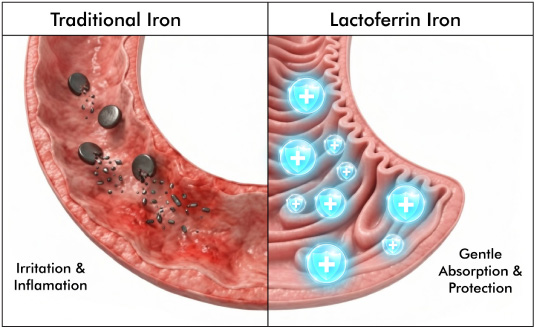
Iron is a non-negotiable nutrient during pregnancy to support increased blood volume and foetal oxygenation. However, traditional iron salts (like ferrous sulphate) often cause significant gut distress. Unabsorbed iron can sit in the intestinal tract, causing irritation and feeding “bad” bacteria, leading to a state of gut imbalance (dysbiosis).
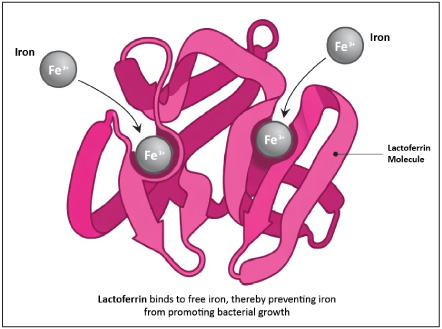
One alternative is lactoferrin, which is a natural iron-binding protein that revolutionises iron supplementation. Instead of flooding the gut with free iron, lactoferrin acts as a smart carrier.
- High bioavailability: Lactoferrin binds to iron and helps maintain it in a soluble form, supporting its uptake in the intestine. In addition, by reducing oxidative stress and inflammation, it helps improve iron utilisation in the body.
- Preserving gut balance: Because iron is bound to the lactoferrin protein, there is less free iron available in the gut to irritate the lining or nourish pathogenic microbes.
- Antibacterial properties: Lactoferrin naturally sequesters iron away from harmful bacteria (like E. coli) that need it to survive, effectively supporting a healthier microbiome.
- Mother’s comfort: Clinical studies suggest that pregnant women taking lactoferrin experience significantly fewer gastrointestinal side effects compared to those taking traditional oral iron.
A holistic path forward
Maternal health is a continuum that starts long before birth and extends well into the postpartum period. To improve your daily comfort and health, and lay the foundation for your little one’s long-term vitality, remember the three pillars of gut-friendly maternal health:
- Probiotics (e.g. Bifidobacterium longum BB536): For digestive regularity and immune support.
- Prebiotics (e.g. FOS): To selectively fuel and grow your good gut microbes.
- Smart iron intake (with lactoferrin): To protect your gut lining while effectively absorbing essential iron.