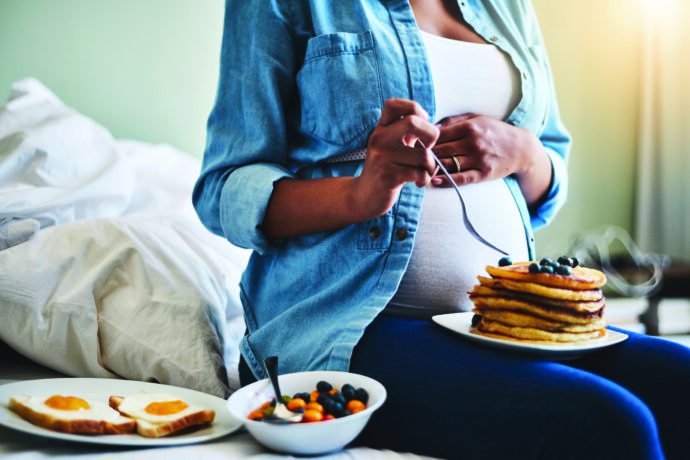
If you have been pregnant before, there’s a high chance that you have experienced food cravings during pregnancy. In fact, you are not alone! It is estimated that around 50-90% of pregnant women experience food cravings at least once during their pregnancy. Let’s learn more about this maternal phenomenon!
Pregnancy cravings
A pregnancy craving is a strong, irresistible desire to eat a specific food during pregnancy. This intense urge is not necessarily caused by hunger. Typically, pregnant women experience food cravings during their second trimester (week 13-27 of pregnancy), which is also when the cravings are most intense. Pregnancy cravings are diverse and different from person to person, with carbohydrate-dense and protein-dense foods being the common cravings. These may include:
- Sweets, like chocolate, ice cream, candy
- Fruits, like strawberries, mangoes,
- Spicy, salty, sour or fatty foods
- Comfort foods, like cereal, mashed potatoes, fries
Potential explanations
The exact cause of pregnancy cravings is still not clear. But there are several possible reasons:
- Nutritional needs: Being pregnant increases the body’s demand for energy and certain nutrients such as folic acid, iron, calcium, sodium, and potassium. Some studies suggest that food cravings during pregnancy are the body’s way of dealing with nutrient deficiencies due to the increased needs. Hence, pregnant women usually crave high-energy foods and foods containing specific nutrients.
- Hormonal changes: Some studies suggest pregnancy hormones can increase hunger and amplify the sense of smell and taste, inducing both cravings and aversions. In fact, pregnant women often mention that foods and drinks taste different during pregnancy, such as increased bitterness in vegetables and heightened sweetness in fruits. A combination of increased hunger and changes in food taste may lead to food cravings, especially for sweet foods such as fruits.
- Social influences: Pregnant women in different parts of the world may experience different food cravings depending on foods that are familiar and available to them. Additionally, the general notion that pregnant women are “eating for two” makes it more socially acceptable for them to indulge their food cravings, even when it involves eating different, strange, less healthy, or large amounts of food. In turn, this may increase urges for those foods during pregnancy.
Some concerns and advices
While it is fine for pregnant women to satisfy their food cravings, it is important not to overindulge. On average, women only need an extra 200-300 calories during the second and third trimesters.
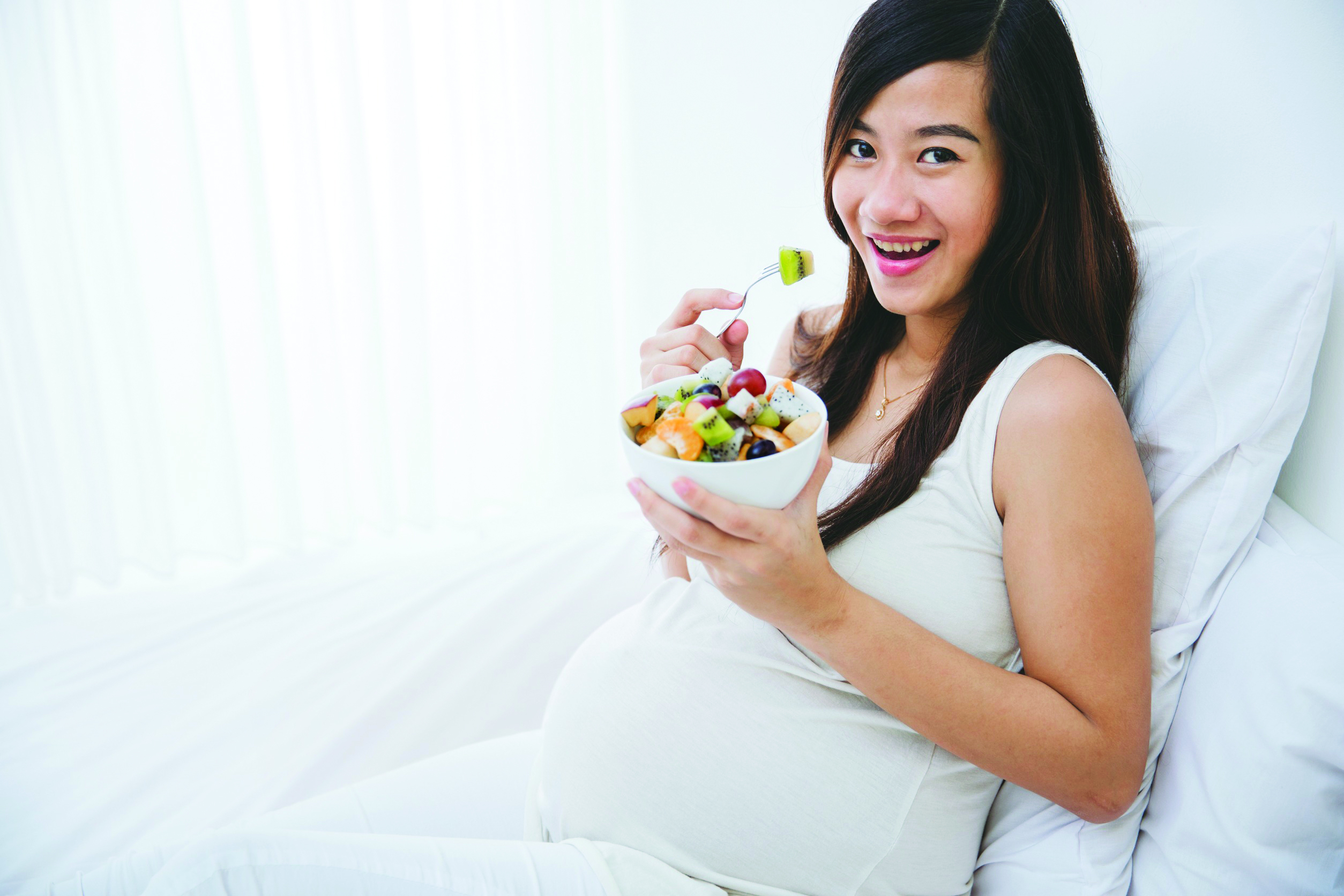
Excessive weight gain and poor nutrition can negatively impact both mother’s and baby’s health. The mother may have an increased risk of delivery complications, gestational diabetes and hypertension in pregnancy. Meanwhile, the baby is more likely to have a heavy birth weight, childhood obesity, and adult obesity in the future.
Another concern is when pregnant women crave for non-food items such as soil, soap, or ice. This is known as pica, a rare eating disorder defined by an appetite for matters without any nutritional value. This may indicate an underlying issue, such as a lack of calcium or iron in their diet. Anyone experiencing this condition should consult a doctor.
In general, food cravings in pregnancy are fine and women should not worry about enjoying the foods they desire. The key is balance and moderation. Choose healthier alternatives as best as you can and limit less healthy options. And if you are concerned about any aspects of your pregnancy, please let your doctor know.