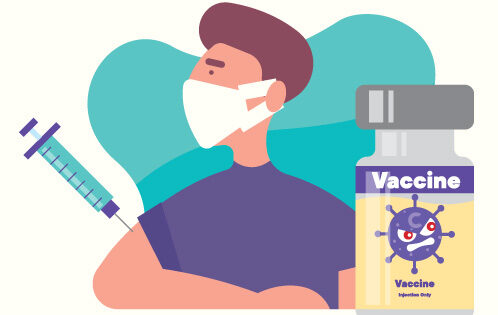

Have you ever heard of any vaccine- related concerns or issues from friends or online? Has this affected your perception and confidence in vaccines? This could lead to vaccine hesitancy and may have a larger impact on public health.
While scrolling your social media feeds, sometimes you may find random comments about how vaccines can cause certain diseases or how vaccination is a hidden agenda by certain entities. These comments could affect readers’ perception of vaccine, resulting in vaccine hesitancy. In fact, due to the risk of infectious disease resurgence, vaccine hesitancy has been included in the World Health Organization’s (WHO) list of global health threats in 2019.

To fight vaccine hesitancy, it is crucial to promote vaccine confidence in the population, especially among parents, since they are the ones who decide to vaccinate their children or not. As parents, you have to be aware of this issue and equip yourself with the right knowledge about vaccines, so that you are not influenced by fake news and misinformation.
Why people may hesitate to take vaccines?
- Misinformation and conspiracy theories: The spread of false or misleading information about vaccines through social media and other channels can erode public trust in vaccination. One example is the false theory that the MMR vaccine causes autism, which actually has been disproven by many studies.
- Personal beliefs and values: Cultural, religious, or philosophical beliefs can influence attitudes toward vaccination. For example, some individuals may be concerned about the permissibility of vaccine in Islam. According to the Mufti of Federal Territory’s Office and most Islamic scholars, vaccines are permissible (harus) in Islam as long as it is made using halal, clean, and pure materials.
- Lack of trust in authorities: Individuals who distrust healthcare providers, government agencies, or pharmaceutical companies are more likely to be vaccine hesitant.
- Complacency: In communities with high vaccination rates and low disease prevalence, individuals may become complacent about the need for vaccination.
What could be the negative impact of vaccine hesitancy?
- Disease resurgence: Declining vaccination rates can lead to outbreaks of preventable diseases like measles, diphtheria, polio, and pertussis, causing serious illness, disability, and even death.
- Weakened herd immunity: Herd immunity is weakened when vaccination rates decline, putting even vaccinated individuals at increased risk of infection.
- Increased healthcare costs: Outbreaks of preventable diseases place a significant financial burden on families and the healthcare systems.
- Prolonged pandemic: Vaccine hesitancy can hinder efforts to control pandemics.

Vaccine is safe and effective!
There are strict and comprehensive procedures that are in place to ensure the safety and efficacy of vaccines before and after they are approved for public use. Here are the reasons you should be confident in vaccines:
- Rigorous testing: Vaccines undergo extensive testing in clinical trials involving thousands of participants before being approved for public use. These trials are carefully designed to assess both the vaccine’s ability to prevent disease (efficacy) and its potential side effects (safety).
- Continuous monitoring: Even after a vaccine is approved, it is continuously monitored to identify any rare or unexpected side effects and evaluate its real-world effectiveness.
- Proven effectiveness: Numerous studies show that vaccines have drastically reduced the incidence of many infectious diseases, some of which were once major causes of death and disability, e.g. tuberculosis, polio, and diphtheria. In fact, smallpox have been eradicated globally in 1980 after a worldwide vaccination programme.
- Addressing concerns: Like all medications, vaccines can have side effects. Most side effects are mild and temporary, while serious side effects are extremely rare. For most individuals, the benefits of vaccination far outweigh the risks.
What should you do when you have concerns about vaccines?
- Consult qualified experts in the medical and healthcare field to understand better about vaccination.
- Seek information from credible sources like the WHO, Ministry of Health, and other healthcare institutions/programmes, such as Immunise4Life.
- Be wary of information found on social media and unverified websites.
- Ask for the source when receiving questionable news or information from friends and family.
Nowadays, the extensive use of social media has intensified the spread of misinformation and anti-vaccination propaganda among the public, leading to increasing vaccine hesitancy. Parents need to be aware of the negative impact of vaccine hesitancy. Referring to credible sources of information will help clear any doubts and answer any questions, thus enhancing our vaccine confidence.
References
- https://pmc.ncbi.nlm.nih.gov/articles/PMC7227637/
- https://www.vaccineconfidence.org/
- https://www.cdc.gov/vaccines/covid-19/vaccinate-with-confidence/strategy.html
- https://www.immunize.org/clinical/vaccine-confidence/
- https://www.lung.org/getmedia/babf2919-37c1-46cb-9e94-fd4842498f84/ALA_HCP_Vaccine_Confidence_factsheet_web.pdf