
Family trips are an adventure – but before you pack the snacks and hats, make sure your family’s vaccinations are up to date. Travel exposes you and your children to new environments, foods and people – which sometimes means new health risks.
Important: Always consult a general practitioner or paediatrician at least 4 to 8 weeks before your trip for advice tailored to your destination and your child’s age.
Routine vaccines everyone needs
Before you travel anywhere, ensure that both adults and children are current with their routine immunisations:
- MMR (measles, mumps, rubella)
- Polio (IPV/OPV)
- Tdap (tetanus, diphtheria, pertussis)
- Influenza (seasonal flu shot)
- Pneumococcal (recommended for young children and older adults)
- Meningococcal
Travelling for Hajj or Umrah?
The massive gathering of pilgrims increases the risk of infectious diseases, so Saudi Arabia has strict health requirements.
For all pilgrims aged one year and older:
- Required: Quadrivalent meningococcal vaccine (MenACWY) – certificate needed
- Conditional:
- Yellow fever: For travellers from risky countries
- Polio: For those from countries with polio transmission
- Recommended:
- Seasonal influenza: Especially for children or those with chronic conditions
- Pneumococcal
- Hepatitis A and typhoid: Due to food and water contamination risk

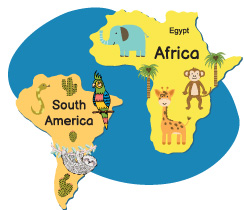
Heading to Africa or South America?
These regions have yellow fever and malaria risks, along with diseases spread through contaminated food and water.
- Yellow fever: Required for some countries, e.g. Argentina, Brazil, Congo (also given in Sarawak)
- Influenza, hepatitis A and typhoid: Essential for all travellers
- Rabies: Crucial for children, who are more likely to play with animals
- Meningococcus (MenACWY): Advised for travel to sub-Saharan Africa’s “meningitis belt” (e.g. Senegal, Ethiopia)
- Malaria prophylaxis: Prescription tablets (not a vaccine) are necessary in some countries in Africa
India & China: Urban vs. rural matters
Vaccination needs vary depending on where you’re headed and how long you’ll stay.
- Influenza: Essential for all travellers, especially in crowded areas and enclosed spaces
- Typhoid & hepatitis A: Strongly recommended for all ages
- Rabies: High risk in rural areas – especially for kids
- Japanese encephalitis (JE): Needed for long rural stays (e.g. near paddy fields)
- Hepatitis B: For extended or repeat visits
Travelling to the West?
Even in developed countries, outbreaks happen.
- Routine vaccines: Keep MMR and polio up to date
- Seasonal influenza: Essential when travelling during the flu season
- Hepatitis A: Still a risk in parts of Southern/Eastern Europe
Do you really need extra vaccines before travelling?
Not always – but sometimes, yes. It depends on where you’re going, how long you’ll stay, and what your family will be doing. Here’s how to think about it:
- If you’re travelling to low-risk destinations (like the US, UK, Australia, or most of Western Europe) and your family’s routine vaccinations are up to date, you’re generally protected. Influenza vaccination may need to be updated.
- If you’re going to places with different climates, sanitation standards, or animal exposure, your child’s immune system may encounter diseases that don’t exist at home – that’s when extra vaccines become important.
- Some vaccines are required by law for entry (for example, meningococcal vaccine for Hajj or yellow fever vaccine for certain African and South American countries). You won’t be allowed to enter without proof.
- Others are strongly recommended, not because entry rules demand them, but because they protect your child from serious illnesses that might be hard to treat abroad (like influenza, typhoid, hepatitis A, or rabies).
Healthy travel starts with preparation. Checking your family’s vaccination record and consulting a doctor early can save your trip and protect your loved ones from preventable illnesses.
Think of it this way: Routine vaccines keep your child safe at home. Travel vaccines help them stay safe away from home, where the risks are different.