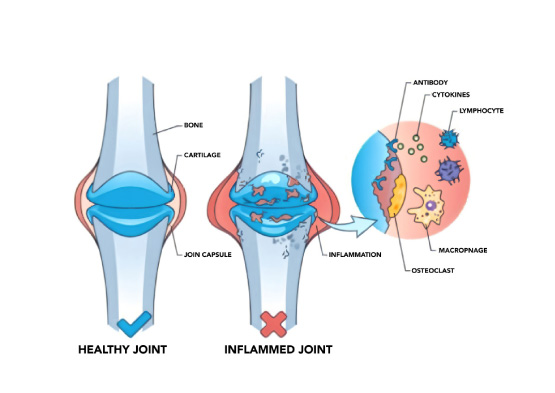
Arthritis in children is called Juvenile Idiopathic Arthritis (JIA). JIA is diagnosed when inflammatory arthritis occurs in a child below 16 years old and lasts for at least six weeks or more. JIA is a type of autoimmune disease, where their own immune system becomes overly active and attacks their own healthy joints. This causes the joint to become swollen and painful. If the inflammation is not treated or controlled, it will gradually damage the cartilage and the bones around the joints.
How common is JIA?
According to global data, about one in every 1000 children have arthritis. In Malaysia, we are seeing more JIA cases every year. In the past, when a child has joint pain or swelling, they are often brushed off as “just growing pains” or a minor viral illness. But today, people are more aware about childhood arthritis. We are getting earlier referrals from doctors, parents, and teachers, who are noticing the signs early.
What causes JIA?
The word “idiopathic” in JIA suggests that doctors still do not know the exact cause of the disease. We know that the joints are inflamed because of an autoimmune process, but we are still not clear on the exact cause of this process. However, some risk factors like having certain genes or relatives with autoimmune diseases may increase a child’s risk of getting the disease. In a genetically susceptible child, environmental triggers such as infection, stress, pollutants, or toxins may activate the disease.
What are the common symptoms in JIA?
- Joint pain
Some children may complain of joint pain, but some don’t complain and simply adapt. They avoid running as much as they used to, stop climbing stairs, or only use one hand and avoid using the other. Sometimes, parents or teachers may notice that the child limps, gets tired easily, or is not as active as before. - Joint swelling
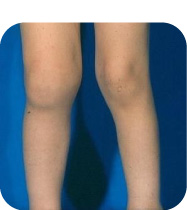
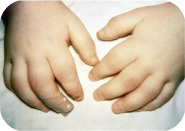
- Joint stiffness
Stiffness is another important sign of JIA. For example, when the child wakes up in the morning, they feel like their joints are stuck. So, they may take longer to get out of bed or dress very slowly in the morning. This stiffness usually improves after the child moves around for a while, but if it is not treated, it will make daily life difficult.
What are the different types of JIA?
JIA is not just one disease but an umbrella term that encompasses many types of arthritis in children. Commonly, JIA is divided into seven subtypes:
- Oligoarticular JIA: When four or less joints are affected.
- Rheumatoid Factor-Negative Polyarticular JIA: When at least five joints are affected but the rheumatoid factor (a blood test) is negative.
- Rheumatoid Factor-Positive Polyarticular JIA: When at least five joints are affected and the rheumatoid factor is positive.
- Enthesitis-Related JIA: When arthritis is coupled with inflammation where the tendons or ligaments attach to the bone.
- Psoriatic JIA: When arthritis is coupled with a psoriatic rash.
- Systemic JIA: When the inflammation affects the whole body, so the child not only have arthritis but also fever, rash, and swollen glands.
- Undifferentiated Arthritis: When the child has JIA but doctors are unable to classify the arthritis into any of the subgroups above.
How is JIA diagnosed?
A doctor will have to take a full medical history which includes detailed information about the joints involved, as well as accompanying symptoms. Then a thorough physical examination will be performed. Later, the doctor may order some blood test and perform certain imaging tests to support the diagnosis. Since JIA can also affect the child’s eyes, all children with JIA will have to get an eye assessment too.
How is JIA treated?
The goal of treatment in JIA is to stop or reduce the inflammation, to relieve pain, and to protect the joints from further damage. Some of the common medications used are:
- NSAIDs (Non-Steroidal Anti-Inflammatory Drugs): These medications such as ibuprofen and naproxen help to reduce pain and swelling.
- Steroids: Steroid medication can either be given through an infusion, taken by mouth, or when only a few joints are affected, injected directly into the affected joints. Steroids are commonly used as a bridging treatment to control symptoms until other medications such as DMARDs and biologics take effect.
- DMARDs (Disease-Modifying Anti-Rheumatic Drugs): DMARDs act more slowly than steroids, but once they start working, they keep the arthritis under control, allowing doctors to lower the steroid dose or stop it completely.
- Biological therapies: Biological treatment is a more targeted treatment that can target specific immune pathways, allowing good control of the inflammation.
What can happen if JIA is not treated early?
If JIA is not treated early and properly, it can lead to several complications as below:
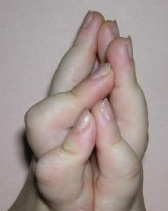
- Joint damage and deformities
- Growth problems, such as uneven limb length or slowed overall growth
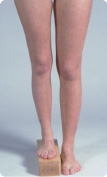
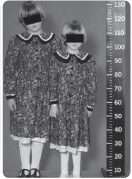
- Permanent stiffness and loss of joint function
- Osteoporosis due to chronic inflammation or prolonged steroid use
Earlier diagnosis and better treatments have changed the lives of many children with arthritis. With proper treatment, children with arthritis can now live an active and pain-free life.