As parents, it is our duty to ensure our children’s wellbeing and protect them from all forms of danger, not only from germs and illnesses, but also the environment and other external factors. Whether at home or on the road, different situations require different approaches in preventing injury and ensuring the safety of our little ones.
Home Safe Home
What the expert says…
Datuk Dr Zulkifli Ismail
Consultant Paediatrician & Paediatric Cardiologist
“Homes often signify comfort and security, but they can also harbour hidden dangers for curious young children. As parents, ensuring a safe home environment for our children is paramount. As they navigate different developmental stages, their understanding of risks evolves, making it crucial for parents to be their proactive guardians.”
“Simple oversights can unfortunately lead to preventable injuries. By taking the time to identify potential hazards and implement safety measures, you’re not just protecting your children from harm, but also fostering an environment where they can explore and learn with greater security.”
Home safety tips
Here are some essential tips to help you childproof your home:
Living room and bedroom:
- Secure furniture: Anchor tall or unstable furniture like bookshelves and dressers to the wall to prevent them from tipping over.
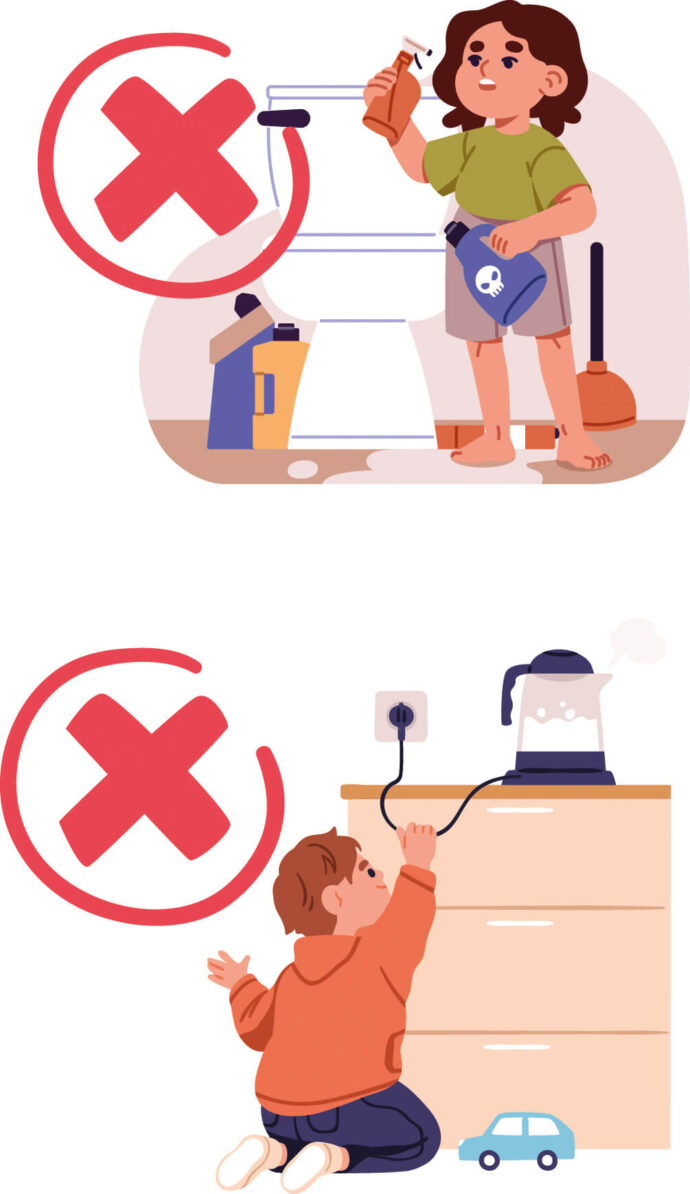
- Manage cords: Keep electrical cords out of reach and secure loose cords to prevent tripping or strangulation hazards. Use cord concealers or ties.
- Window safety: Install window grilles or safety nets, especially on upper floors. Keep windows locked when not in use and move furniture away from windows to discourage climbing.
- Small objects: Keep small items like buttons, coins, and batteries out of reach, as these can be choking hazards.
Bathroom:
- Drowning prevention: Never leave babies and toddlers unattended in the bathtub, not even for a moment.
- Water temperature: Set your water heater to a maximum of 49°C to prevent scalding. Always check the water temperature before placing your child in the bath. Prepare baby’s bath water by adding cold water followed by hot water.
- Slip prevention: Use non-slip mats in the bathtub and on the bathroom floor to prevent falls.
- Medication and toiletries: Store all medications, cleaning products, and toiletries in locked cabinets or places that are inaccessible to children.
- Electrical safety: Keep electrical appliances like hair dryers and curling irons away from water and unplugged when not in use.
Kitchen:
- Stove safety: Use back burners whenever possible and turn pot handles inward so children cannot reach them.
- Sharp objects: Store knives, scissors, and other sharp utensils in locked drawers or out of reach.
- Hot liquids: Keep hot kettles or drinks away from the edges of tables and counters. Never hold a hot beverage while holding a child.
- Appliance safety: Ensure appliances are unplugged when not in use and keep small appliances like toasters and blenders away from the edges of counters.
Out and About
What the expert says…
Datuk Dr Zulkifli Ismail
Consultant Paediatrician & Paediatric Cardiologist
“The outdoors is a vital classroom for children, fostering physical development, curiosity, and a sense of independence. However, this environment also presents new safety challenges that require preparation and awareness from both parents and children.”
“The goal is not to limit their exploration, but to empower them with the knowledge and skills to navigate the world confidently and securely. By teaching them simple rules and maintaining vigilant supervision, you can transform every outdoor excursion into a safe and enriching experience.”
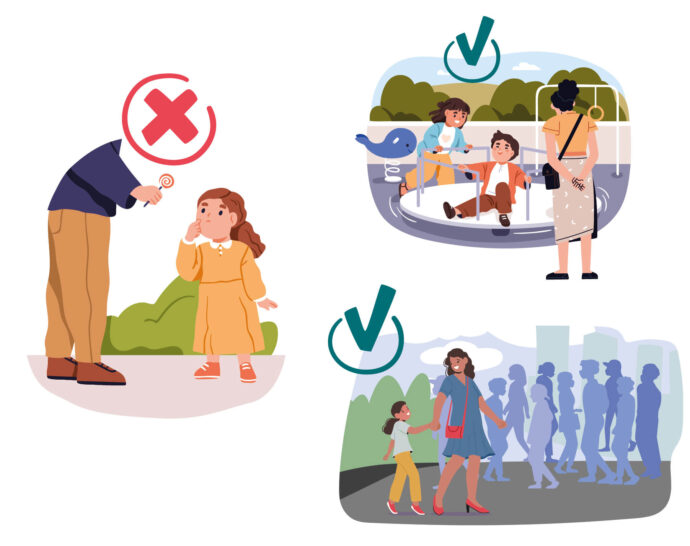
Outdoor safety tips
Here are essential tips to ensure your child’s safety in various outdoor settings:
Playground:
- Active supervision: Never leave a child unattended at a playground. Position yourself where you can see them clearly at all times.
- Check the equipment: Before letting your child play, inspect the equipment for any broken parts, rust, or sharp edges. Also, ensure the ground surface is soft (e.g. rubber, mulch, or sand) to absorb falls.
- Dress appropriately: Avoid clothing with drawstrings, hoods, or anything that could get caught on playground equipment. Ensure shoes are properly tied to prevent trips and falls.
Public areas:
- Hold hands: Teach your child to hold your hand in busy public spaces like parking lots, sidewalks, and malls. This is the single best way to prevent them from wandering off.
- Stay close: In crowds, establish a “stay within arm’s reach” rule. If separated, have a pre-determined meeting spot, and teach your child to stay put and call for help from a “safe stranger.”
Stranger danger:
- The “Yell, Run, Tell” rule: Teach your child that if a stranger approaches them and asks them to come closer, they should yell “NO!”, run away immediately, and tell a trusted adult what happened.
- Identify safe strangers: Point out people they can ask for help if they are lost, such as police officers, firefighters, or store employees with a name tag.
- No secrets: Reassure your child that a safe adult will never ask them to keep a secret from their parents, and they should always tell you if anyone tries to do so.
On the Road
What the expert says…
Dr Rakhee Yadav
Consultant Paediatrician
“The road is an environment where children’s developing senses and impulsivity make them uniquely vulnerable. They may not grasp concepts like vehicle speed or stopping distances, and their small size makes them harder for drivers to see.”
“A child’s journey, whether walking to the park, riding in the car, or taking the bus, is a constant opportunity for a safety lesson. By implementing simple, consistent habits and teaching your children key rules, you can significantly reduce the risk of accidents and instil a lifelong respect for road safety.”
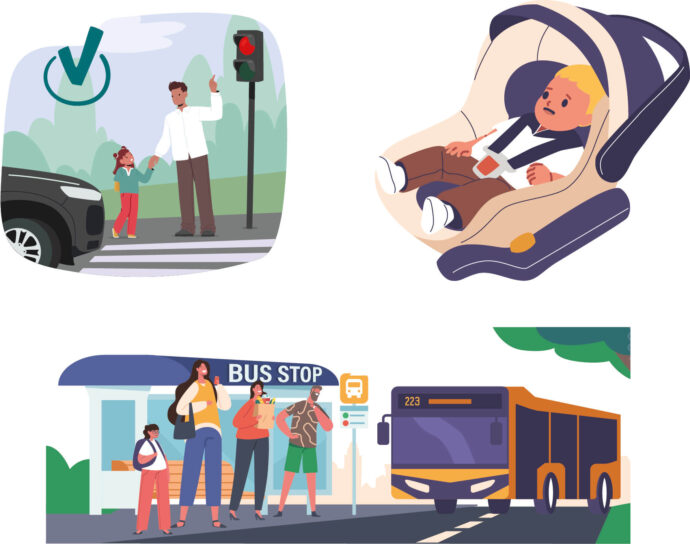
Road and street safety tips
Here are crucial tips for keeping children safe on the road:
Pedestrian safety:
- Hold hands and stay together: Always hold your child’s hand firmly when walking near streets, in parking lots, or through driveways. Teach them to walk on the inside of the sidewalk, away from the curb.
- Stop, look, and listen: Practice this routine before crossing any street. Teach them to stop at the curb, look right, left, and right again to ensure there are no oncoming vehicles, and be aware of the traffic. Emphasise making eye contact with drivers before crossing.
- Use crosswalks: Explain that it is only safe to cross the street at designated crosswalks or intersections with traffic signals. Never allow them to dart out between parked cars.
In the car:
- Proper restraints: Ensure your child is in the correct car seat or booster seat for their age, weight, and height. Always install the seat correctly and make sure the harness is snug.
- Back seat is best: Children 12 and under should always ride in the back seat. This is the safest place in the car, as it protects them from a deploying front airbag.
- Childproof the vehicle: Use the child safety locks on car doors and windows to prevent children from opening them unexpectedly. Never leave a child unattended in a vehicle.
Public transport:
- Platform safety: When waiting for a train or bus, stand a safe distance behind the designated safety line or away from the curb. Keep your child’s hand securely in yours to prevent them from stepping too close to the tracks.
- Hold on tight: Once aboard, find a seat immediately. If standing, ensure your child holds a handrail or strap, and never allow them to wander or stand near the doors.
- Watch your step: Teach your child to wait for the vehicle to come to a complete stop before attempting to board or exit. Be mindful of the gap between the vehicle and the platform.
Basic First Aid
What the expert says…
Dr Rakhee Yadav
Consultant Paediatrician
“Minor accidents are an inevitable part of growing up, but they don’t have to be a source of panic for parents. With a well-stocked first aid kit and some basic knowledge, you can feel confident and capable when your child gets a scrape or a bump. Being prepared not only allows you to provide immediate, effective care but also helps to calm your child and reassure them that they are safe.”
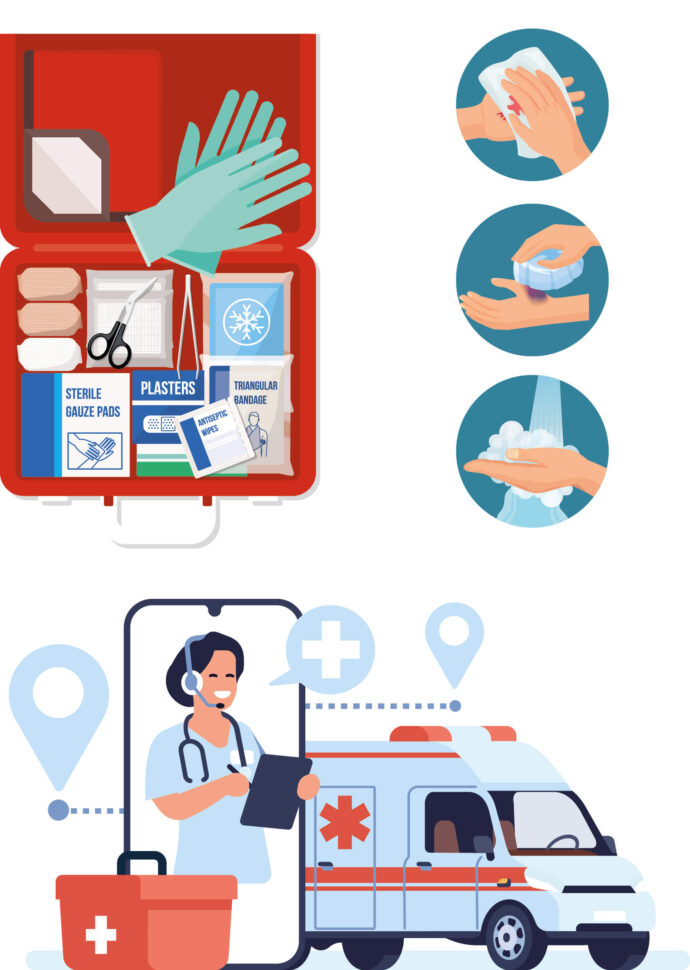
First aid tips
Here are essential tips to help you be prepared for common injuries:
First aid kit essentials:
- Wound care supplies: Include a variety of adhesive bandages, sterile gauze pads, and medical tape. Pack antiseptic wipes or a small bottle of saline solution to clean cuts and scrapes.
- Medications and tools: Stock a children’s pain reliever (like paracetamol) and a cold pack. Be sure to include small scissors for cutting tape or clothing and a pair of fine-tipped tweezers for removing splinters.
- Emergency information: Keep a list of emergency contacts, including poison control, your paediatrician, and local emergency services, inside the kit.
- Gloves and hand sanitiser: Always use disposable gloves to protect both yourself and your child from germs when administering first aid. Keep hand sanitiser nearby as well.
Dealing with common injuries:
- Cuts and scrapes: Gently wash the area with soap and water to clean it. Apply gentle pressure with a clean cloth or gauze to stop any bleeding. Once bleeding has stopped, apply a thin layer of antibiotic ointment and cover with a bandage.
- Bumps and bruises: Apply a cold pack or a bag of ice wrapped in a towel to the injured area for 15-20 minutes. This helps reduce swelling and pain. Elevate the bruised limb if possible.
- Nosebleeds: Have your child sit or stand and lean slightly forward (not back). Pinch the soft part of their nose just below the bony bridge for 10-15 minutes, breathing through their mouth.
- Minor burns: For small burns from hot liquids or surfaces, immediately cool the area under cool (not cold) running water for at least 10 minutes. Do not apply ice.
Life-threatening situations
Immediately call emergency services if your child:
- Is unconscious or unresponsive.
- Is having difficulty breathing or is turning blue.
- Is experiencing severe chest pain.
- Has a seizure.
- Has a severe head injury.
- Is bleeding profusely and the bleeding cannot be stopped.
- Has ingested a poisonous substance.
- Is experiencing a severe allergic reaction.
- Has fallen from a large height.