

In 2025, for the first time, the global prevalence of obesity among school-age children and adolescents aged 5-19 years exceeded underweight (9.4% obesity vs. 9.2% underweight), according to the Child Nutrition Report 2025 by UNICEF. This is a worrying trend that underscores the importance of promoting optimal growth and development of children for a healthier future generation of Malaysians.
Addressing the Growing Shadow: Childhood Obesity
What the expert says…
Datuk Dr Zulkifli Ismail, Chairman, Positive Parenting Management Committee
“Global childhood obesity rates have risen alarmingly, and Malaysia now faces one of the highest prevalence rates in Southeast Asia. Data from the National Health and Morbidity Survey (NHMS) reveals a steady upward trend over the last decade. This “silent emergency” demands our immediate attention. Robust data collection is the cornerstone of timely, targeted interventions. By understanding the specific demographics and environmental drivers through data, we can take precise actions that safeguard our children’s future health and wellbeing.”
Childhood obesity: the worrying figures
Obesity and overweight rates among children in Malaysia are higher than the global statistics, and this is very concerning.
| Obesity in Malaysia (5-19 years)* 13.6% |
Overweight in Malaysia (5-19 years)* 14.4% |
Global obesity (5-19 years) 9.4% |
Defining and diagnosing childhood obesity
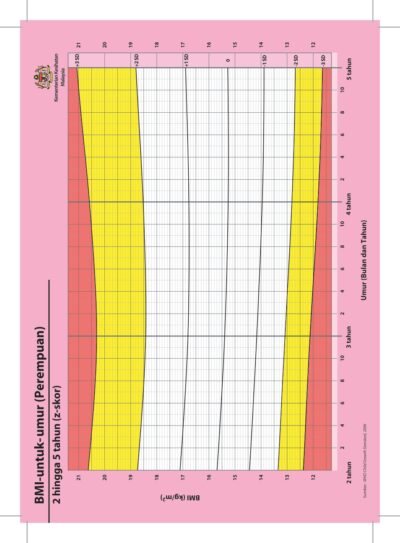
Identifying obesity in children is more complex than in adults because children’s bodies change rapidly as they grow. Clinical diagnosis relies on standardised growth charts rather than a single weight number. Here are how health professionals define and diagnose the condition:
- Body mass index (BMI-for-age): Unlike adults, a child’s BMI must be plotted on a BMI chart relative to their sex and age. Health professionals use World Health Organization (WHO) or local growth standards to determine where a child falls compared to their peers.
- Overweight vs. obese (5-19 years old):
- Overweight: Generally defined as a BMI-for-age above +1SD
- Obese: Defined as a BMI-for-age above +2SD
- Physical assessment: Diagnosis may include checking for physical markers like acanthosis nigricans (darkened skin patches), which can indicate insulin resistance.
- Growth velocity: Doctors look at the trend of weight gain over time. A “crossing of percentiles” upward is often a more significant clinical indicator than a single high reading.
Note for parents: A high BMI is a screening tool, not a final diagnosis. A full clinical assessment by a paediatrician includes evaluating diet, physical activity levels, and family medical history.
The Complex Roots of Childhood Obesity
What the expert says…
Prof Dr Muhammad Yazid Jalaludin, Senior Consultant Paediatrician and Senior Consultant Paediatric Endocrinologist
“Childhood obesity is rarely the result of a single choice; it is a multifaceted challenge driven by a combination of biological and environmental factors. In Malaysia, our rapid urbanisation has shifted diets toward calorie-dense foods loaded with salt, sugar, and fat, while reducing opportunities for active play. As an expert, I see how the “obesogenic” environment – cheap, sugary snacks and beverages, as well as increased screen time – overwhelms a child’s natural self-regulation. Recognising these drivers is the first step toward action. Addressing these factors early is crucial, as they set the physiological foundation for a child’s lifelong health trajectory.”
Causes and risk factors
Understanding why a child gains weight involves looking at various interconnected influences:
- Dietary patterns: Frequent consumption of high-calorie, low-nutrient foods, such as oily or salty snacks and sugar-sweetened desserts or beverages.
- Physical inactivity: Sedentary behaviours, largely driven by excessive screen time on tablets and televisions, replace active play.
- Genetics: A family history of obesity can predispose a child to weight gain, though environment often triggers these genes.
- Socioeconomic factors: Limited access to affordable fresh produce or safe outdoor spaces often forces reliance on shelf-stable, processed convenience foods.
- Psychological stress: Some children use food as a coping mechanism for stress or boredom.



The ripple effect: consequences of obesity
The impact of childhood obesity extends far beyond physical appearance, affecting every facet of a child’s life:
- Health: Immediate risks include type 2 diabetes mellitus, high blood pressure, and sleep apnoea. It also leads to joint stress and early markers of cardiovascular disease.
- Psychosocial: Children often face weight-based bullying or stigmatisation, leading to low self-esteem, social isolation, and increased risks of depression or anxiety.
- Economic: Long-term consequences include higher personal healthcare costs and potential loss of productivity in adulthood due to chronic illness. For the nation, it places a significant strain on the public healthcare system.
The Hidden Complications: Understanding Obesity Comorbidities
What the expert says…
Prof Dr Muhammad Yazid Jalaludin, Senior Consultant Paediatrician and Senior Consultant Paediatric Endocrinologist
“Childhood obesity is not just about physical stature; it is a disease, i.e. a complex metabolic condition that can affect every organ system. Comorbidities – secondary health conditions arising from excess weight – are appearing in children at younger ages than ever before. From insulin resistance to fatty liver disease, these “adult” ailments are now paediatric realities. Early detection is our most powerful tool. By identifying these silent risks through proactive screening, we can implement lifestyle changes that reverse damage before it becomes permanent, ensuring your child’s internal health matches their outward potential for growth.”
Screening for comorbidities: who, when, and what
Proactive medical surveillance is essential for managing the long-term health of children with obesity. Clinical guidelines generally recommend the following screening protocols:
- Who to screen: Screening is recommended for ALL children and adolescents categorised as obese. Children in the overweight category should also be screened if they possess two or more of the following risk factors:
- Insulin resistance
- Strong family history of type 2 diabetes mellitus or cardiovascular disease
- Hypertension or premature coronary heart disease
- Maternal gestational diabetes mellitus
- Birth history: small or large for gestational age
- Symptoms of comorbidities
- When to screen: Routine screening typically begins at age 10, or at the onset of puberty if it occurs earlier. However, if severe obesity is present, a paediatrician may initiate diagnostic tests even earlier.
- What to screen for:
- Prediabetes and type 2 diabetes: Fasting plasma glucose or HbA1c tests to check how the body processes sugar.
- Dyslipidaemia: A lipid profile to measure cholesterol and triglyceride levels, assessing cardiovascular risk.
- Metabolic-associated fatty liver disease (MAFLD): Liver enzyme tests (ALT/AST) to check for inflammation or fat build-up in the liver.
- Hypertension: Regular blood pressure monitoring using age- and height-appropriate percentiles.
- Obstructive sleep apnoea: Evaluation for snoring, restless sleep, or daytime fatigue.
- Psychosocial distress: Screening for depression, anxiety, and social isolation related to weight stigma.
Cultivating Healthy Habits: A Guide to Prevention and Action
What the expert says…
Dr Tee E Siong, Nutritionist
“Preventing childhood obesity starts with building a sustainable foundation of health from the very beginning. As a nutritionist, I emphasise that the window of opportunity starts well before a child enters school. In Malaysia, we are shifting our focus toward holistic interventions that empower parents to make better choices. By addressing nutrition and physical activity early, we can “reprogram” a child’s metabolic future. Tackling obesity requires a partnership between home and school, ensuring that the healthy choices we teach are mirrored in every environment where a child grows, learns, and plays.”
Preventing childhood obesity across life stages
Prevention is most effective when it is age-appropriate and consistent. Here are how parents can intervene at different stages of development:
- The first 1,000 days (conception to age 2): This critical window sets the biological blueprint for health. Parents should focus on maternal nutrition during pregnancy, exclusive breastfeeding for the first six months, and the timely introduction of nutrient-dense complementary foods without added salt or sugar.
- The next 1,000 days (toddler and preschool): This is the habit-forming stage. Parents should encourage “responsive feeding” – recognising hunger and fullness cues – and provide a variety of nutritious foods and meals to prevent picky eating. Physical activity should be integrated through unstructured active play.
- School-aged children: For older children, the focus shifts to balancing caloric intake with energy expenditure. This includes limiting screen time to under two hours daily and ensuring at least 60 minutes of moderate-to-vigorous physical activity daily. The school years, when children are most impressionable, are the best time to inculcate lifelong healthy habits, teach nutrition knowledge and practice, and improve nutritional status and school performance. Parents, family members, and teachers play a key role in modelling healthy habits to children.
- Malaysia School Nutrition Promotion Programme (MySNPP): Where available, parents are encouraged to actively participate in school-based initiatives like MySNPP, led by the Nutrition Society of Malaysia (NSM). Now being implemented across several states, this programme uses the Good Nutrition – Key to Healthy Children (GNKHC) modules to provide nutrition education. It also ensures children receive healthy meals monitored by professional nutritionists, reinforcing healthy eating habits outside the home.