
It was barely 24 hours after little Adam was born when his mother, Puan Siti, got the news. The nurse didn’t only bring the baby in, she brought a message: “The doctor needs to speak with you. Adam is G6PD-deficient.” Siti looked at her perfect, sleeping boy and felt a wave of panic. “Deficient? Is something missing? Will he be okay?”
If you are a parent holding a similar diagnosis, take a deep breath. You are not alone. This condition is common in Malaysia, affecting 3-4% of newborns. More importantly, your child is not “sick”, they just need a little extra protection. In some instances, the initial test results might be indeterminate or borderline. If your doctor suggests repeating the test in the future, don’t worry; this is simply to double-check and confirm the diagnosis accurately. G6PD is a natural enzyme in red blood cells that works like a shield, helping the cells cope with certain chemicals and stresses. In children with G6PD deficiency, this shield is weak or missing, so their blood cells need more protection.
The “bodyguard” Analogy
To understand better, imagine that every red blood cell in your body has a personal bodyguard. This bodyguard’s job is to protect the cell from stress caused by certain foods or chemicals. In children like Adam, this bodyguard is either missing or taking a nap. Without it, the red blood cells are vulnerable. If they meet the wrong “trigger”, they can break down and burst. But here is the good news: if you keep the triggers away, the red blood cells stay safe and your child stays healthy.
Your Three Main Roles
Because this condition is genetic (usually passed to boys), you can’t cure it, but you can manage it easily. Your main job is simply to avoid the “No-Go List”:
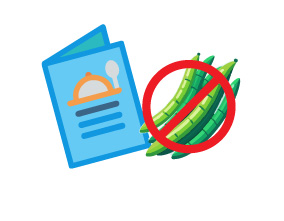
- Watch the menu (no fava beans)
The most famous trigger is fava beans (also known as broad beans or kacang parang). While they are delicious, they contain substances that can hurt your child’s unprotected blood cells.
Tip: Always check ingredient labels on snacks and mixed nuts. Always remind your children to be cautious about kacang parang at parties or school events.
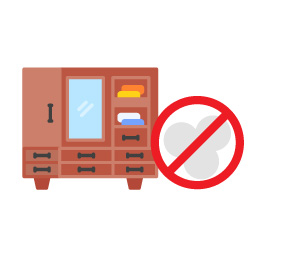
- Check your wardrobe (no mothballs)
This often surprises parents. The smell of mothballs (ubat gegat) is dangerous for these children. The chemical in them, naphthalene, can trigger a reaction just by being inhaled or touching clothes stored with them.
Tip: Use natural alternatives for pest control, airtight storage boxes, or regularly sunning clothes.
- Be careful with medicine
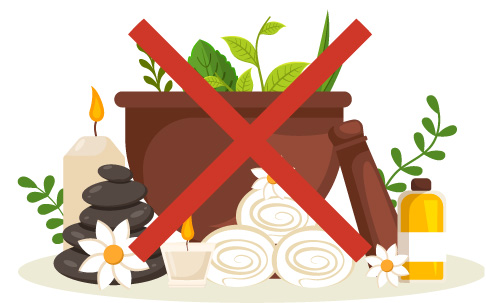
Not all medicines are safe. Certain antibiotics, antimalarials, and traditional herbal remedies can be harmful.
Tip: Always tell every doctor, dentist, or pharmacist: “My child is G6PD-deficient.” Ask them to double-check any new medicine against the G6PD “unsafe list” and request a printed or digital list from your hospital to keep on your phone.

The No-Go List for children with G6PD deficiency
Food and herbs to be avoided
- Fava beans (kacang parang)
- Documented Chinese herbs/medicine
- Chuen Lin
- San Chi
- 13 herbs
- 12 herbs
- Other traditional herbs/medications are also not to be taken unless with medical advice
Other chemicals to be avoided
- Naphthalene (moth balls)
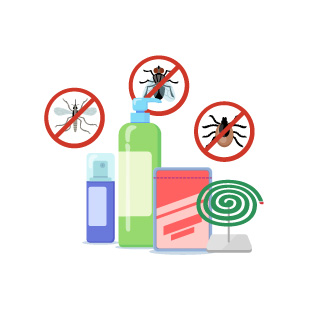
- Mosquito coils and insect repellents which contains pyrethium
Drugs to be avoided or contraindicated
- Acetanilide
- Doxorubicin
- Furazolidene
- Methylene Blue
- Nalidixic acid
- Niridazole
- Nitrofurantoin
- Phenozopyridine
- Promaquine
- Sulfamethoxazole
- Bactrim

When to seek help
Even with the best care, accidents happen. You need to know the “red flags” that show your child’s blood cells are under stress. If you see these, go to the hospital immediately:
- The “tea” sign: Dark coloured urine, like strong tea or Coke
- Pale skin: Looking unusually pale, tired, or weak
- Yellowing: Yellow tint in the eyes or skin (jaundice)
The happy ending
Fast forward seven years, and Adam is now in Standard 1. He plays football, goes camping, and is great at math. Does G6PD deficiency affect his intelligence? Absolutely not. Can he play sports? Yes.
The fear his mother felt on day one has been replaced by a simple routine. As long as Adam avoids the triggers, he lives a life as normal, healthy, and vibrant as any other child.
So, to the parents reading this: relax. Your child is going to be just fine. They just need you to be their bodyguard until they are old enough to be their own. Do not forget to share this knowledge with grandparents, babysitters, teachers, and anyone who cares for your child.