The story of Alya & her son, Danish
It started with what I thought was a simple “day-care cold.” My ten-month-old, Danish, had a runny nose and a slight cough on Tuesday. By Wednesday night, the rhythm of our house had shifted. The usual happy babbles were replaced by a sharp, rhythmic grunting.
I remember sitting on the edge of his crib, watching his chest. Every time he took a breath, the skin around his ribs sucked inward, forming deep hollows. It’s a sight that stays with you – what doctors call “retractions.” He wasn’t just breathing; he was struggling. He was fighting for every pocket of air.
By 2 a.m., we were in the Emergency Room. When the doctor said “RSV” (respiratory syncytial virus), I felt a wave of cold wash over me. I’d heard the acronym before, but I didn’t realise it could turn a healthy baby into one who needed high-flow oxygen and a feeding tube in less than 48 hours.
The impact on our family was immediate and taxing. Danish was hospitalised for six days. My husband and I traded shifts in a cramped hospital chair, our lives reduced to the beep of the monitors. I burned through my remaining leaves for the year in a week, and the financial weight of the treatment and specialists started to loom.
Thankfully, Danish managed to recover without any devastating complications. Still, the days at the ward were unforgettable – something I wished we could’ve avoided. And the hardest part was the guilt – wondering if I could have done something differently to protect his tiny lung.
Understanding RSV: an expert perspective

As a healthcare professional, I see stories like Danish’s every year. Statistics show that nine out of 10 infants are infected with RSV within the first two years of their life. Respiratory syncytial virus (RSV) is a virus that infects the nose, throat, and lungs. While it may feel like a cold to adults, it is a leading cause of hospitalisation in infants under one year old.
Why is RSV dangerous?
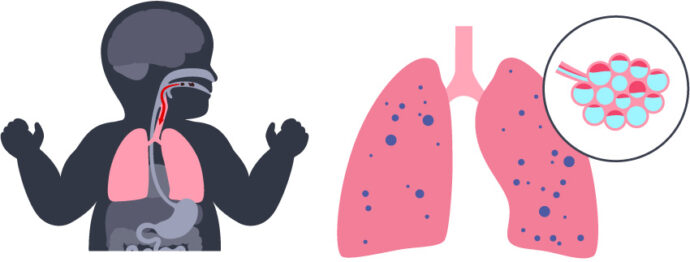
In infants, RSV causes acute bronchiolitis (inflammation of the small airways) and pneumonia. Because babies have much smaller airways than adults, even a small amount of inflammation or mucus can make it incredibly difficult for them to breathe.
Prevention and protection
Standard hygiene is our first line of defence. Frequent handwashing, cleaning surfaces, and avoiding kissing the baby during cold and flu season are essential. However, because the virus is so contagious, we now look toward immunisation to provide more robust protection.
There are currently two primary pathways for RSV immunisation:
- Passive maternal immunisation: Given to the mother during pregnancy to pass antibodies to the foetus for protection through the first six months of baby’s life.
- Direct infant immunisation: Given directly to the baby to provide immediate protection.
The role of monoclonal antibodies
For infants, we now have the option of immunisation through monoclonal antibodies. Unlike a traditional vaccine that teaches the body to make its own antibodies over time, monoclonal antibodies provide ready-made protection the moment they are administered.
- Immediate defence: Clinical data supports the role of monoclonal antibodies as a critical preventive option for newborns and infants.
- Early protection: Research has demonstrated that this immunisation provides effective protection and can be administered as early as birth, protecting babies before they hit their most vulnerable window.
- Proven results: Multiple studies show that immunisation with monoclonal antibodies significantly offers protection against severe RSV disease, reducing the likelihood of hospitalisations like the one Danish experienced.
Protect your baby directly against RSV. Speak to your paediatrician or other healthcare providers about infant immunisation with monoclonal antibodies. By utilising modern preventive medicine, we can give infants the shield they need before the first cough even begins.
MAT-MY-2600229-1.0-05/2026