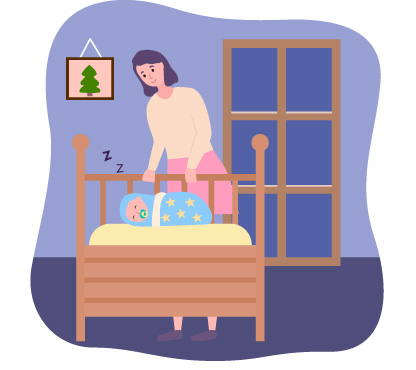
Ensuring a safe sleep environment is one of the most vital responsibilities of a new parent. Every year, thousands of sleep-related infant deaths occur due to accidental suffocation or Sudden Infant Death Syndrome (SIDS). By following evidence-based guidelines, parents can significantly reduce these risks and provide their infants with a secure foundation for growth.
The gold standard: the safe sleep environment
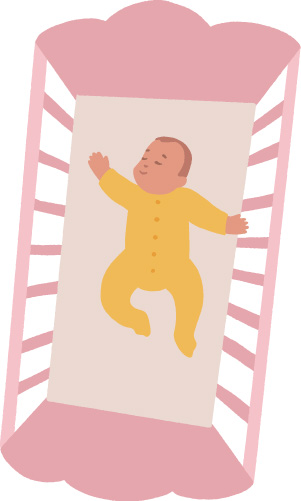
The American Academy of Pediatrics (AAP) emphasises the ABCs of safe sleep: Alone, on their Back, in a Crib. To create the safest space possible, follow these requirements:
- Back to sleep: Always place your baby on their back for every sleep – both naps and night time. Once babies can roll over both ways comfortably, they can remain in the position they choose.
- Firm and flat: Use a firm, flat sleep surface covered only by a fitted sheet. Avoid inclined sleepers, couches, or armchairs, which pose a high risk of airway obstruction.
- Clear the clutter: Keep the sleep area free of soft objects, including pillows, blankets, quilts, stuffed animals, and bumper pads. These items can accidentally cover a baby’s face.
- Room-share, don’t bed-share: It is recommended to keep the baby’s crib or bassinet in your bedroom for at least the first six months, but never share a bed, as this increases the risk of entrapment or suffocation.
Establishing healthy bedtime routines
Beyond physical safety, a consistent routine helps regulate an infant’s internal clock and improves sleep quality for the whole family. Healthy habits include:
- Consistency is key: Perform the same sequence of activities every night (e.g. bath, book, song) to signal to the baby that it is time to wind down.
- Optimal temperature: Keep the room at a comfortable temperature (usually between 20-22°C). Overheating is a known risk factor for SIDS; look for signs like sweating or a chest that feels hot to the touch.
- The “drowsy but awake” technique: Try to place your baby in the crib when they are sleepy but still awake. This helps them learn the skill of self-soothing and falling asleep independently.
- Use a pacifier: Offering a pacifier at nap time and bedtime has been shown to have a protective effect against SIDS, even if it falls out after the baby falls asleep. However, pacifiers are not recommended for constant use other than before sleep.

Safety note: Avoid using wearable monitors or products that claim to reduce the risk of SIDS, as there is no evidence they are effective. Trust the basics of a clear, flat crib and back-sleeping.