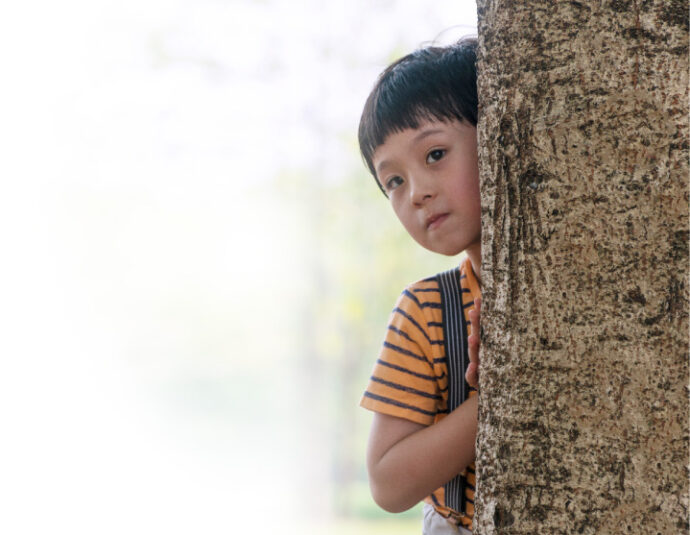
In many Malaysian households, children are often praised for being sopan, obedient, and not “too noisy”. While these traits are valued, they can sometimes make it harder to notice when a child is struggling socially rather than simply being well-mannered.
Shyness is not a flaw to be “fixed,” but a personality trait characterised by feeling tense or awkward in social encounters. In fact, shy children are often excellent observers and deep thinkers. However, if shyness prevents a child from making friends or participating in school, it requires gentle intervention to prevent long-term impacts on self-esteem.
1. Creating a safe base
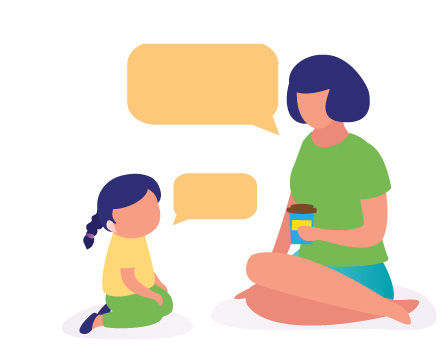
For a shy child, the world can feel unpredictable. Parents can provide a “safe base” at home – the emotional security needed to eventually take risks outdoors – by adopting these strategies:
- Avoid labels: Refrain from introducing them as “the shy one” or “pemalu.” Labels reinforce the behaviour as an identity rather than a temporary feeling.
- Validate feelings: Instead of saying “Don’t be shy,” try: “I see you’re feeling a bit uncomfortable. It’s okay, take your time.”
- Allow the ‘spectator’ phase: Let your child observe a playground or party from a distance before joining. This helps them process the environment at their own pace.
2. Building social muscles
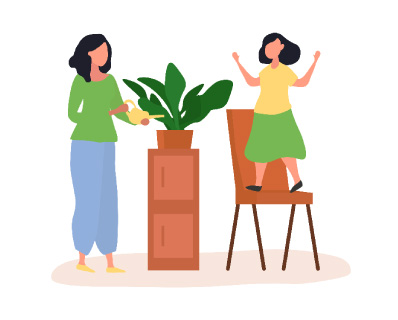
Social confidence is like a muscle that requires practice. You can help your child exercise this through:
- Roleplay: Practise ordering at a local mamak or kopitiam. Let them tell the waiter what they want to eat or drink.
- Small playdates: Start with one-on-one playdates at your home, where your child feels most secure, rather than large parties.
- Warm-up rituals: Arrive early to events. Being one of the first there allows your child to “own” the space before it becomes crowded.
- Modelling: Model social behaviour (e.g. greeting neighbours, chatting briefly with the security guard or shopkeeper). Children naturally mirror their parents’ social behaviours.
- Small goals: Set attainable milestones, such as waving to a teacher or saying hi to one classmate.
- Praising effort: Say, “I’m proud of how you stood near the group today,” rather than “Why didn’t you talk to them?”
3. When to seek professional support
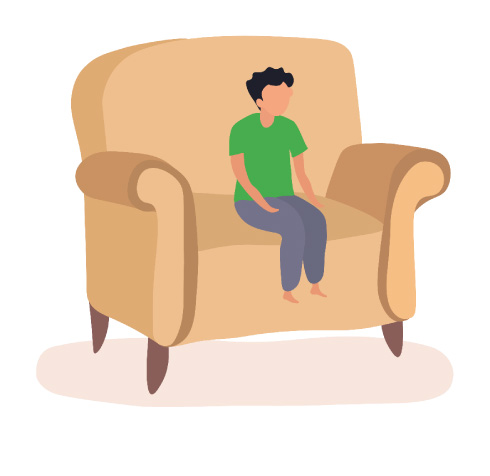
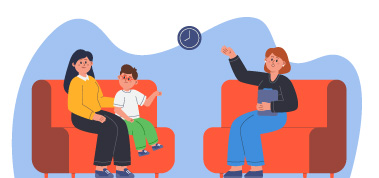
While most children outgrow shyness as they gain life experience, it is important to consult a developmental paediatrician if you notice “red flags.” Sometimes, what looks like shyness may be an underlying condition such as:
- Social anxiety disorder: Intense fear of judgment that interferes with daily life.
- Autism spectrum disorder (ASD): Struggling with social cues and communication rather than just feeling “shy.”
- Selective mutism: Speaking comfortably at home but remaining consistently silent in specific settings like school.
- Extreme distress: Physical symptoms like stomach aches or intense crying before social events.
4. The path forward
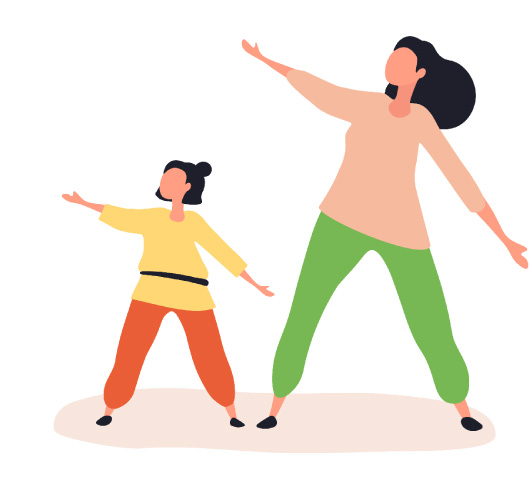
Shyness often fluctuates with age, and children may become more self-conscious as they enter school. Patience is essential. The goal is not to change your child’s personality, but to provide them with the tools to navigate the world comfortably. By supporting their natural temperament while gently encouraging growth, you help them bloom in their own time.
Helping shy children thrive checklist
- Avoid labels like ‘shy’ or ‘pemalu’
- Validate feelings: “It’s okay to feel uncomfortable”
- Allow ‘spectator time’ to observe before joining in
- Practice ordering food/drinks at mamak/kopitiam
- Stick to one-on-one playdates at home initially
- Arrive early to events to ‘own’ the space
- Model social behaviour (greet neighbours)
- Set small goals: e.g. wave to a teacher
- Praise the effort of trying, not just the result
- Watch for red flags: extreme distress or selective mutism