Childhood respiratory infections are a normal part of growing up, as young immune systems encounter and learn to fight off new viruses and bacteria. While most illnesses resolve smoothly at home, understanding the distinct characteristics of these frequent childhood conditions can help you navigate cold and flu season with greater confidence.
- Common cold and rhinitis
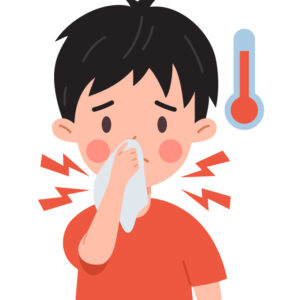
- What it is: A mild viral upper respiratory tract infection caused by rhinoviruses, enteroviruses, and others. Children can experience six to 10 colds per year as their immune systems develop.
- Key symptoms: Stuffy or runny nose, mild sore throat, sneezing, mild cough, and low-grade fever.
- Care approach: Focus on supportive comfort measures, including adequate hydration, saline nasal drops, and rest. Avoid over-the-counter cough and cold medications in young children unless explicitly advised by your paediatrician.
- Croup
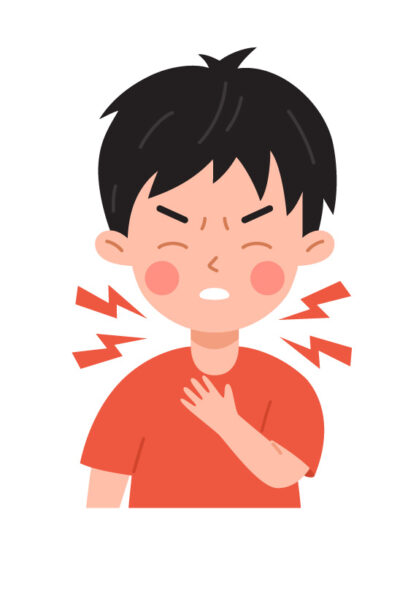
- What it is: A viral infection that leads to inflammation and swelling around the voice box (larynx) and windpipe (trachea), most common in children between six months and three years of age.
- Key symptoms: A characteristic, sharp “seal-bark” cough, hoarseness, and a hoarse whistling sound when breathing in (known as stridor), often worsening at night.
- Care approach: Keep your child calm, as agitation worsens airway narrowing. Exposing the child to cool night air or steam from a hot shower can help ease breathing. Severe cases may require medical evaluation for anti-inflammatory medications. All children with noisy breathing should be checked by a paediatrician.
- Influenza (flu)
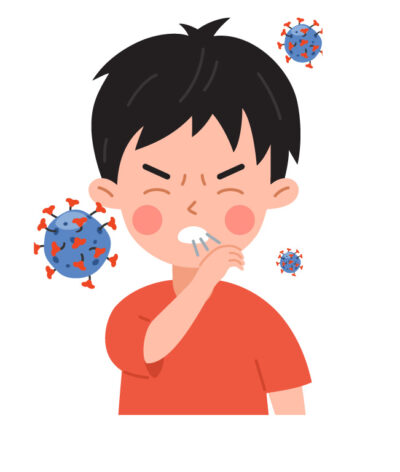
- What it is: A contagious viral respiratory illness caused by influenza viruses that affects the entire respiratory system and causes more systemic body symptoms than a standard cold.
- Key symptoms: Sudden onset of high fever, chills, severe muscle or body aches, intense fatigue, headache, dry cough, and sore throat.
- Care approach: Prioritise rest and hydration. Antiviral medications may be prescribed by a physician if started within the first 48 hours of symptom onset to reduce illness severity and duration.
- Bronchiolitis
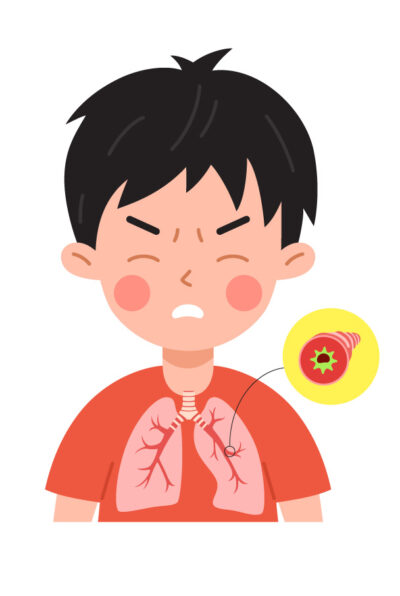
- What it is: Inflammation of the smallest airways in the lungs (bronchioles), most frequently caused by respiratory syncytial virus (RSV). It primarily affects infants and toddlers under two years old.
- Key symptoms: Starts with cold-like symptoms, progressing over a few days to a persistent cough, rapid or laboured breathing, wheezing, and potential feeding difficulties due to shortness of breath.
- Care approach: Supportive home care involves frequent small feeds and nasal suctioning. Close monitoring is essential, as infants can tire quickly from the breathing effort. Hospital admission may be needed in most cases.
- Pneumonia
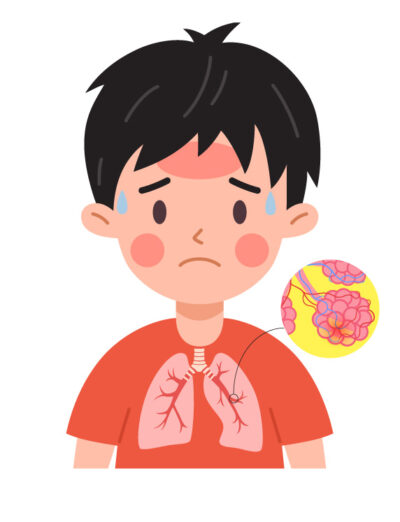
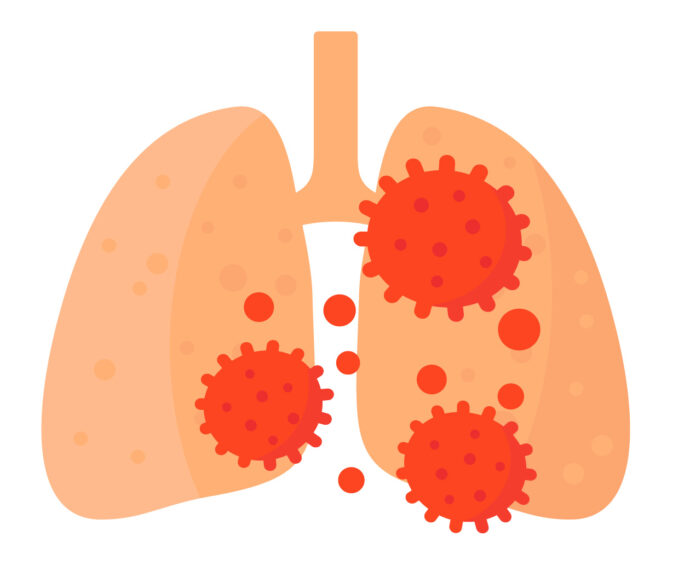
- What it is: An infection that inflames the air sacs in one or both lungs, which may fill with fluid or pus. It can be caused by viruses, bacteria, or both.
- Key symptoms: Persistent cough producing mucus, high fever, chills, rapid breathing, shortness of breath, and chest discomfort or pain when breathing or coughing.
- Care approach: Requires professional medical assessment. Bacterial pneumonia is treated with antibiotics, while viral pneumonia is managed with supportive care. The child will most probably need hospital admission.
Beware of red flags!
Certain signs indicate a more serious respiratory illness requiring urgent evaluation or emergency room visits:
- Severe breathing difficulty: Noticeable chest retractions (skin sucking in around the ribs or neck), nasal flaring, or grunting with each breath.
- Rapid breathing: Consistently fast respiratory rates, especially if accompanied by lethargy.
- Cyanosis: A bluish tint around the lips, tongue, or nail beds, indicating low blood oxygen levels.
- Dehydration: Inability to keep fluids down, significantly fewer wet diapers, or crying without tears.
- Extreme lethargy: Difficulty waking up, lack of eye contact, or unresponsiveness.

Prevention strategies & immunisations
Proactive prevention is your best defence against severe respiratory illness:
- Basic hygiene habits: Frequent handwashing with soap and water, teaching children to cough into their elbows, and regular disinfection of high-touch household surfaces.
- Pneumococcal conjugate vaccine (PCV): Protects against invasive bacterial pneumococcal infections, pneumonia, and ear infections.
- Annual influenza vaccine: Recommended for all children aged six months and older to reduce flu-related illness and hospitalisation.
- RSV immunisation: An emerging preventive option designed to protect high-risk infants and young children from severe bronchiolitis and RSV complications.
Consult your doctor to learn more about available vaccination options for your loved ones.