

Children grow up so fast – in the blink of an eye, they’re already as tall as you are! Growth is a visible testament to their health and development.
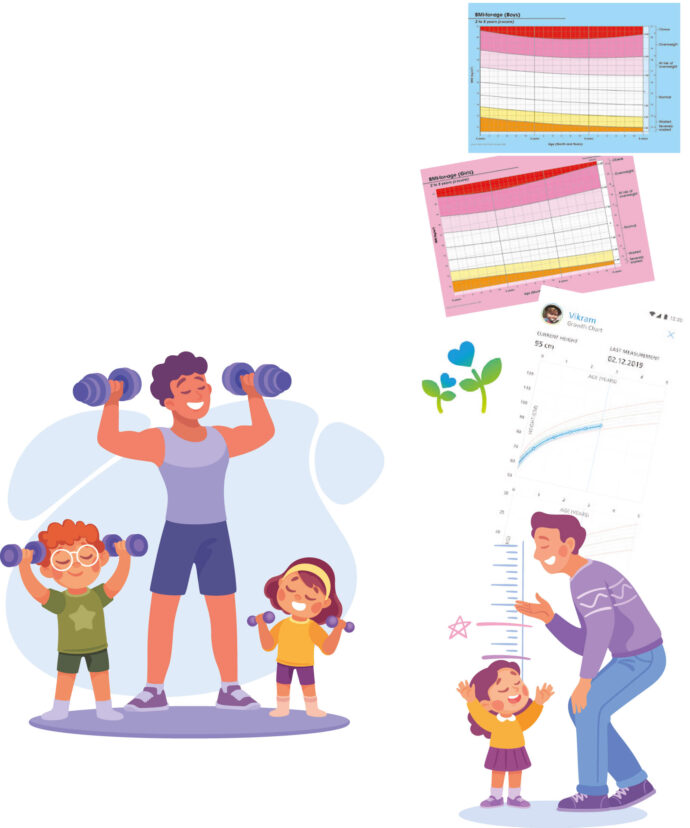
Why is it important to track your child’s growth?
Monitoring your child’s growth helps you:
- Ensure they are getting enough nutrients: Growth can be a good indicator of whether your child’s diet is meeting their nutritional needs.
- Check their development: Growth is closely linked to how well children are developing physically and mentally.
- Detect health problems early: If a child is growing too slowly or too quickly, it may point to an underlying health concern.
How do you track your child’s growth?
You don’t need fancy equipment – just regular tracking and simple tools will do.
- Measure their height and weight at home or during clinic visits.
- Plot the measurements on a growth chart to see how your child compares with other children of the same age and gender.
- Use the WHO Growth Standards charts, which track: Weight-for-age, Height-for-age, BMI-for-age.
- Try to track growth at least every three months to spot any patterns or changes.
Possible growth-related problems
Growth problems often link back to poor nutrition. Here are some to look out for:
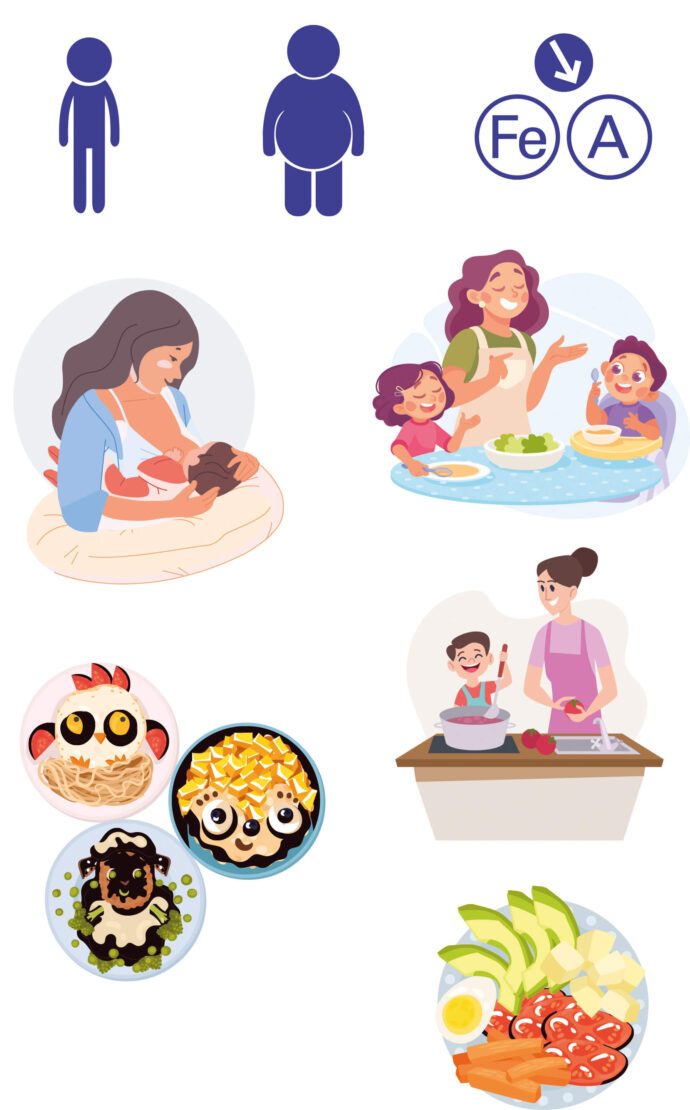
- Undernutrition – Can lead to stunting (being too short for age) or wasting (being too thin).
- Overnutrition – May cause children to become overweight or obese, increasing the risk of other health problems.
- Micronutrient deficiencies – Lack of iron, zinc, calcium, vitamin D, A or other essential nutrients can affect growth and development.
How to support healthy growth through nutrition
Good nutrition is one of the most powerful tools you have as a parent to support your child’s growth and development. It lays the foundation for strong bones, a healthy immune system, and even better concentration at school.
The good news? You don’t need to be a MasterChef or spend hours in the kitchen to get it right. Small, consistent efforts at home can make a big difference. Here are some simple, practical ways to nourish your child’s body and mind as they grow:
- Breastfeed exclusively for the first six months – Breast milk provides all the nutrients babies need, along with important antibodies to protect against illness.
- Offer a variety of foods – As your child begins solids, aim for a colourful plate including fruit, vegetable, grains, protein (like chicken, fish, tofu, or eggs), and dairy products.
- Watch portion sizes – Every child is different. Trust their hunger cues and avoid forcing them to finish everything on the plate.
- Make mealtimes fun – Children are more likely to enjoy healthy food when they’re part of the process. Let them help wash vegetables, stir sauces, or pick out their plate colour!
- Never skip breakfast – A good breakfast jumpstarts the day with the energy they need to learn, play and grow.
- Encourage healthy snacks – Growing children get hungry often. Stock up on smart snack options like sliced fruit, yoghurt, boiled eggs, or wholegrain biscuits.
Remember, every child grows at their own pace – and growth isn’t always perfectly steady. What’s most important is that your child is happy, active and developing well. By tracking their growth regularly and offering a balanced diet, you’re already doing a great job!
If you’re ever unsure or have concerns about your child’s growth, don’t hesitate to speak to your doctor or a qualified registered nutritionist.
References:
https://www.who.int/tools/child-growth-standards/standards
https://mypositiveparenting.org/360-growth-and-development-toolkit/child-growth/
https://mypositiveparenting.org/360-growth-and-development-toolkit/child-nutrition-and-healthy-living/