

A childcare centre is often a child’s first experience outside the home, marking the beginning of their journey into the wider world. This environment shapes early growth, development and health, making the selection of a high-quality centre crucial.
It is a place for young children to learn, explore and build foundational social skills. Here, children develop cognitive abilities, physical skills, problem solving, and emotional resilience that will serve them in school and beyond. Additionally, childcare centres support parents by ensuring their child’s needs are met in a safe, structured environment while they work or attend to other responsibilities. Many centres today provide daily reports to keep parents updated on their child’s activities and well-being, so that parents can stay connected to their child’s progress and feel assured of their comfort and development.
Criteria to look for
In Malaysia, registered childcare centres are categorised into home-based (four to nine children) and institutional/workplace/community-based (10 or more children) centres but knowing what to look for can be challenging. However, there are three key pillars that you can consider to ensure a safe, nurturing and developmentally enriching childcare experience for your little one: attentive and qualified staff, a safe and engaging environment, and developmentally appropriate activities.
Qualified, caring staff:
Look for staff members who are not only qualified but also warm and nurturing. Caregivers should have completed the Kursus Asas Asuhan Kanak-kanak, a foundational training for working with young children, which is mandatory for registered centres. To guarantee safety in the event of an emergency and to ensure safe food handling, staff members must also receive CPR and first aid training, food handling certification, and typhoid injection.
When assessing staff quality, consider the centre’s child-to-minder ratio. The Department of Social Welfare (JKM) recommends a ratio of 3:1 for infants, 5:1 for children aged one to three years, and 10:1 for three- to four-year-old children. Adequate staffing ensures each child receives personalised attention and care. Observe how the staff interact with children – they should communicate with warmth, patience and encouragement, creating an environment where children feel valued and secure.
Safe and stimulating environment:
A childcare centre should be a safe space that encourages exploration and growth. Facilities must be clean, childproofed, and equipped with age-appropriate furniture, toys, and equipment. Electrical outlets should be covered, hazardous materials locked away, and floors clear of tripping hazards. An outdoor play area, if available, should be secure and well-maintained, providing ample space for children to develop physical coordination and strength through safe play.
Cleanliness is a key aspect of safety and health. Check that staff and children practise good hygiene, such as regular hand washing, especially before and after meals, after using the bathroom, and before and after activities or play. Policies for handling illness are equally important – ask about the centre’s procedures for managing sick children to prevent the spread of infections.
In terms of security, it is essential to choose a licensed or registered centre with JKM and to verify that it adheres to safety protocols. These should include visitor screening, emergency contact plans, and policies for picking up children. The centre should ideally have its own Child Protection Policy.
Developmentally appropriate activities:
While we want top-notch childcare centres to offer balanced, structured activities that foster social, cognitive, and physical growth, it is always in the child’s best benefit and interest to enjoy unstructured, unrestricted play. Both individual and group plays, as well as indoor and outdoor sessions, should be incorporated into the centre’s activities. Children’s cognitive, motor, and problem-solving skills, as well as emotional resilience will all be developed through play.
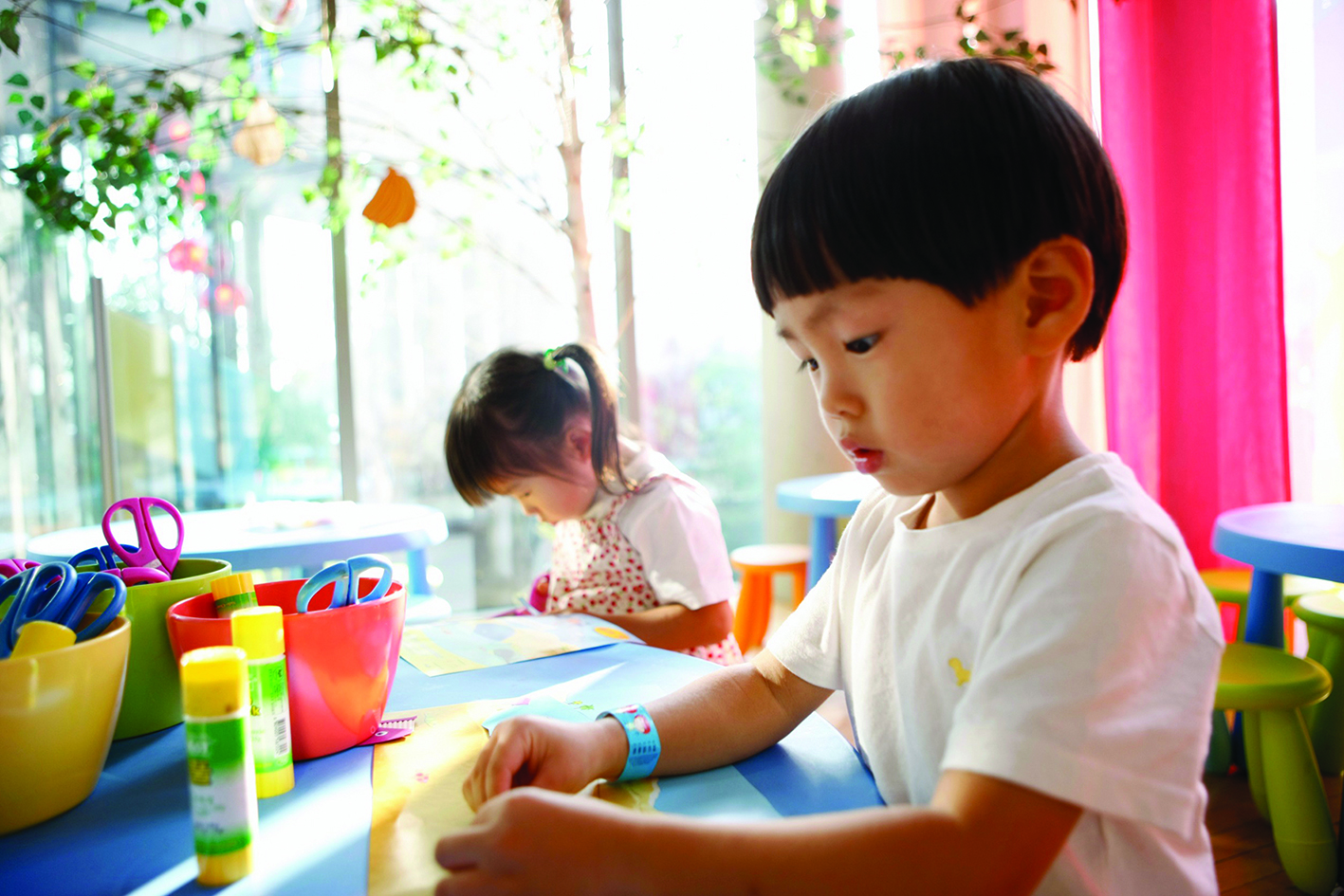
Look for centres that encourage creativity and independence, allowing children to engage with age-appropriate tasks and challenges. For example, art projects, storytelling, simple puzzles, and music are excellent ways to support holistic development. Discipline and guidance should focus on positive reinforcement, teaching children self-control and empathy. Policies should be in place to address common issues such as biting, hitting, or bullying in a constructive manner.
Also, inquire about nap routines and alternative activities if a child is not inclined to sleep, ensuring the centre respects individual needs. If screen time is included, confirm that it is limited, purposeful, and balanced with other hands-on activities.
| A checklist for your visit When you visit a potential childcare centre, use a checklist to assess each aspect systematically. Some questions to ask include:
Inspect the facilities and observe the staff and children in action. Pay attention to the general atmosphere: Is it warm and welcoming? Are children engaged and happy? It must be suited to the child’s best interest, not merely catered to the parents’ convenience. |
Selecting the best childcare centre requires careful evaluation of staff qualifications, safety standards and developmental offerings. While childcare can be invaluable, remember that it is not a substitute for your own role in your child’s life. By choosing wisely, you’re ensuring that your little one receives the care, support and stimulation they need to thrive, but staying engaged and informed is equally vital. Be sure to review any updates from the centre or JKM and always be proactive in monitoring your child’s experience.