
Respiratory syncytial virus (RSV) is a common respiratory virus that infects the lungs and breathing passages. While most people experience mild, cold-like symptoms, RSV can be a serious health concern, especially for infants and older adults. In fact, RSV is a leading cause of hospitalisation in young children.
What is RSV?
RSV is a highly contagious virus that spreads through droplets from an infected person’s cough or sneeze, or through direct contact with a contaminated surface. The virus is a significant public health issue, causing about 3.6 million hospitalisations and 110,000 deaths annually in children under the age of five years worldwide.
Signs and symptoms
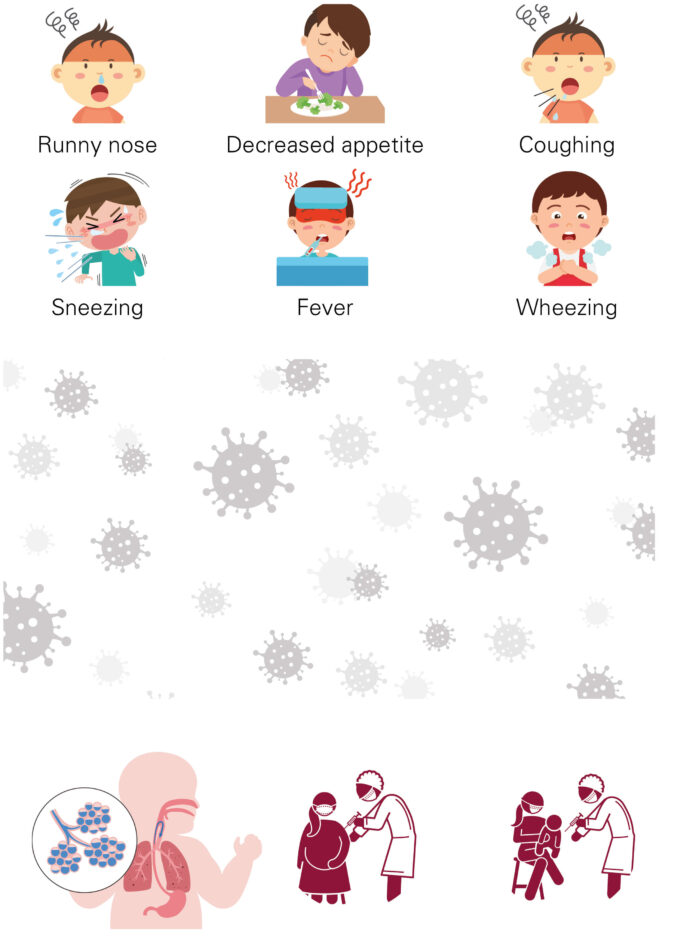
Symptoms of an RSV infection typically appear within 2 to 8 days after exposure. They often resemble a common cold and can include:
• Runny nose
• Decreased appetite
• Coughing
• Sneezing
• Fever
• Wheezing
In young infants, the only signs of infection may be irritability, decreased activity, and breathing difficulties.
Severe complications in children
While most RSV infections are mild, they can lead to severe complications in young children. RSV is the most common cause of bronchiolitis (inflammation of the small airways in the lungs) and pneumonia (an infection of the lungs) in infants and toddlers. These conditions can cause severe breathing problems, requiring hospitalisation and, in some cases, mechanical ventilation.
Children with a higher risk of severe RSV disease include:
• Premature infants
• Infants under 6 months old
• Children with chronic lung disease
• Children with congenital heart disease
• Children with weakened immune systems
Parents should seek immediate medical attention if their child has difficulty breathing, is wheezing, is dehydrated, or is showing signs of lethargy.
Treatment and prevention
Unfortunately, there is no specific cure for an RSV infection. Treatment focuses on supportive care to relieve symptoms, which may include fever reducers, pain relievers, and, in severe cases, oxygen therapy or IV fluids in a hospital setting. Antibiotics are not effective against RSV as it is a viral infection.
However, there are new and effective ways to prevent severe RSV disease. These include:
- Maternal RSV vaccine: An RSV vaccine has been approved for pregnant women. The vaccine is administered during the third trimester of pregnancy. It helps protect the newborn from severe RSV by transferring protective antibodies from the mother to the baby before birth. This passive immunity provides critical protection during the first few months of life when infants are most vulnerable.
- Infant immunisation: A long-acting monoclonal antibody, nirsevimab, is now available for infants. This single-dose injection provides protection for at least five months, covering the entire RSV season. A single dose is recommended at birth or at the earliest opportunity.
These new immunisations are a game-changer in the fight against RSV, offering a powerful tool to protect our most vulnerable population. Along with these medical advances, basic hygiene practices like frequent hand washing and avoiding contact with sick people remain crucial for preventing the spread of RSV.
The emergence of new prevention methods for RSV marks a significant advancement in public health. By staying informed and utilising these new tools, we can collectively work towards a future with fewer hospitalisations and better health outcomes for our children and our communities. Talk with your child’s doctor to learn more about protecting your child from RSV.
Reference: