
Discover your child’s immune system!
Let’s hear it from our experts!
Datuk Dr Zulkifli Ismail, Consultant Paediatrician & Paediatric Cardiologist
[1] “Understanding the basics of immunity is essential for every parent. When parents understand how immunity works, they can feel more at ease as their child explores and learns, knowing their child’s immune system is well-equipped to protect them, especially when all the necessary steps to safeguard it have been taken.”
[2] “From the moment your child wakes up, they unknowingly come into contact with germs that can easily enter their bodies as they share snacks, hug their friends, or touch contaminated surfaces. Depending on the strength of their immune system and how mature it is, these pathogens can multiply and bring about a variety of clinical symptoms ranging from mild to severe.”
[3] “Since children’s immune systems are still developing, they are more vulnerable to infections, making it all the more important for parents to understand how immunity works, ways to support it, and how to recognise potential health risks that may affect their child.”
Dato’ Dr Musa Mohd Nordin, Consultant Paediatrician & Neonatologist
[1] “A child’s immune system differs significantly from that of an adult in that it is still underdeveloped and has a slower response time. Since their immune systems are not yet fully mature, children are at a higher risk of contracting illnesses, and their bodies may struggle to eliminate pathogens as effectively as adults, often resulting in more pronounced symptoms.”
[2] “A strong immune system in children offers numerous benefits by providing vigorous protection against a wide range of pathogens, thus preventing dangerous infectious diseases. Moreover, a well-functioning immune system enables the production of memory cells, which help the body mount a quicker and more effective immune response upon subsequent exposures to the same pathogens.”
[3] “A well-functioning immune system leads to fewer sick days, reduced hospitalisations, and fewer complications from both acute and chronic diseases, even reducing the risk of death in some cases. As a result, children are also less likely to miss school due to illness, allowing them to engage fully in learning without frequent setbacks.”
The immune system is comprised of two main types of immunity: innate and acquired immunity.


Support your child’s immune system
What our experts say…
Dr Roseline Yap, Nutritionist & Honorary Treasurer, Nutrition Society of Malaysia
[1] “The role of a well-balanced diet must not be underestimated in supporting the development of a child’s immune system and overall growth. The right proportions of nutrients not only help strengthen the body’s defence but also aid in maintaining optimal health.”
[2] “Breastfeed from the start. Through breast milk, a mother can pass down essential nutrients and antibodies to her infant, which help protect them from childhood infections. These antibodies are crucial in providing passive immunity, offering the baby a shield from harmful pathogens they may encounter.”
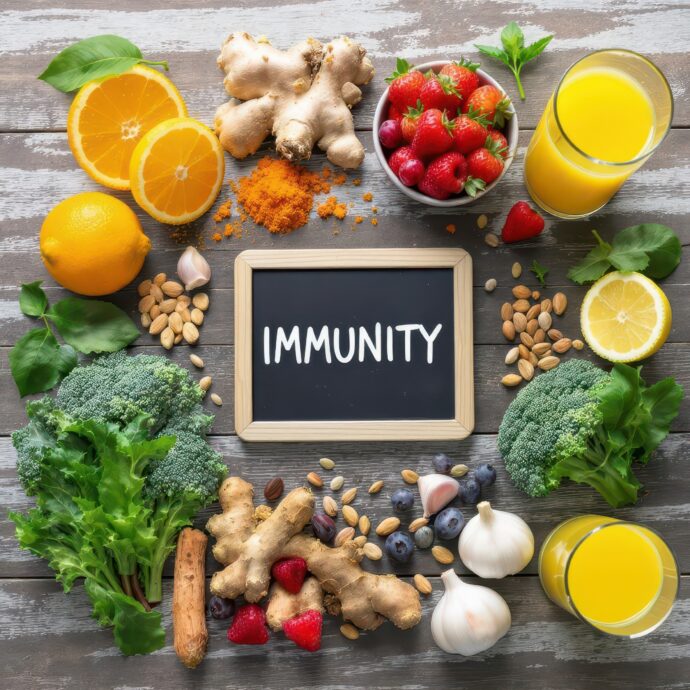
[3] “Good diet supplies key nutrients like vitamin C, vitamin D, zinc, and iron that are crucial for the production and functioning of white blood cells, which play a key role in fighting infections. Additionally, antioxidants found in fruit and vegetable help neutralise harmful free radicals that could impair immune cells.”
[4] “Get them moving! Physical activities have been shown to increase the production of white blood cells, which are the body’s primary defence against harmful pathogens. Physical activity is also crucial for maintaining energy balance and keeping a healthy body weight. An unhealthy body weight is a factor that can impair the immune function.”
Datuk Dr Zulkifli Ismail, Consultant Paediatrician & Paediatric Cardiologist
[1] “Make sure your child completes all the vaccinations recommended under the National Immunisation Programme (NIP) and consider additional vaccines such as those for rotavirus, influenza, and chickenpox for added protection. Vaccines help prime the immune system by stimulating it to produce an immune response to specific pathogens without causing the illness itself.”
[2] “Children need more hours of sleep. Restful sleep helps repair and regenerate immune cells, keeping the system strong and ready to defend against threats. Conversely, chronic stress – whether from challenges at home or school – can weaken immunity, especially after the prolonged rise of stress hormones like cortisol.”
[3] “To ensure the optimal functioning of the immune system in keeping children healthy, it is essential to adopt healthy habits and practices starting from home, including a balanced diet, regular exercise, sufficient sleep, hygiene practices, and timely vaccination. Understanding and incorporating these practices into a child’s daily routine can significantly enhance their ability to fight off infections.”
Stronger immunity for better health
6 steps to optimal immune system
Enhance your child’s ability to fight infections by practising these habits!

Boost the immune system through good nutrition
A well-balanced diet provides essential nutrients needed for overall growth and to strengthen body’s defence. Don’t neglect these foods:

Key takeaways
- Understanding and supporting the immune system through a balanced approach to nutrition, exercise, sleep, and timely vaccinations are essential in ensuring your child’s well-being.
- As parents, taking these steps will not only protect your child from immediate threats like infections but will also lay the foundation for a lifetime of strong immunity.
- By prioritising these practices, parents can help their child grow into a resilient and healthy individual, ready to face the world and all of its hidden threats.