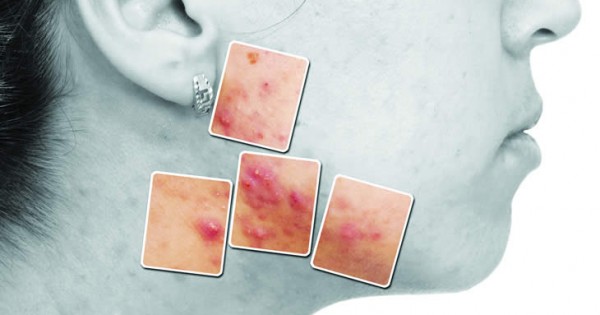

Malaysia’s hot and humid climate means children sweat easily, spend plenty of time outdoors, and bring home all sorts of germs from school and the playground. Good personal hygiene is one of the simplest ways to keep them healthy. Regular bathing, handwashing, and good oral care help prevent common problems such as skin rashes, fungal infections, tooth decay, and the spread of viruses.
Good hygiene also helps children feel fresh, comfortable, and confident at school and when spending time with friends. By teaching these habits early, parents lay the foundation for a lifetime of healthy routines. Best of all, with a little creativity, these daily tasks do not have to become a constant battle.
The FUN-damentals of good hygiene
A solid foundation in basic cleanliness sets children up for a lifetime of good health.
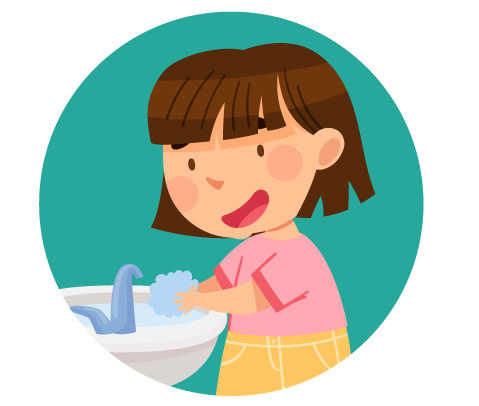
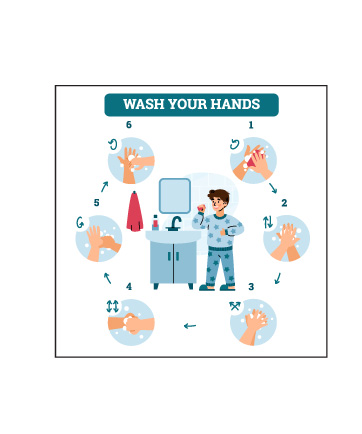
- Handwashing: Children should wash their hands with soap and water for at least 20 seconds. This practice is crucial after using the toilet, playing at the playground, football field or park, touching animals, coughing, or sneezing.
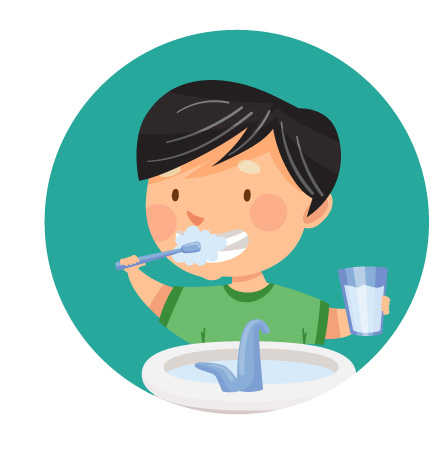
- Dental care: Introduce brushing twice a day as soon as the first tooth appears. Use a pea-sized amount of child-safe fluoride toothpaste. Parents should assist with brushing until around age five to prevent cavities.
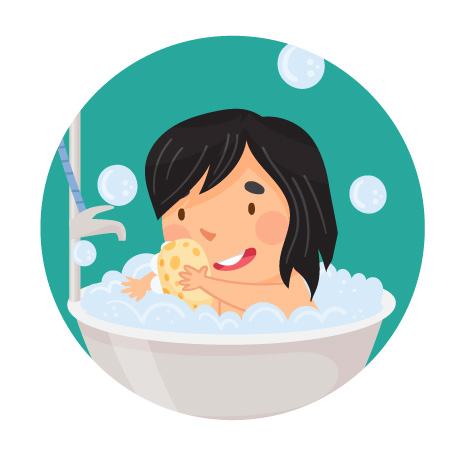
- Bathing and body care: Regular baths or showers remove dirt, sweat, and bacteria. Teach children to clean all areas thoroughly, including underarms, toes, and the genital area. Ensure they dry themselves completely before getting dressed.
Make it visual
Young children process visual cues more effectively than spoken commands.
- Create a daily chart tracking key times for handwashing, such as before meals or after school. Children find a sense of accomplishment in ticking off completed tasks.
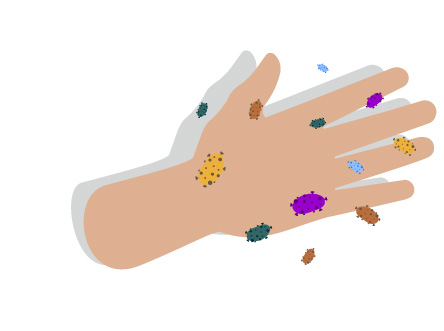
- Conduct a glitter experiment to demonstrate how invisible germs spread. Sprinkle glitter on your child’s hands and challenge them to wash it off. They will quickly see that water alone leaves the glitter behind, proving why soap and thorough scrubbing are necessary.
- Design homemade posters with your child that illustrate correct bathroom steps. Hanging their artwork near the sink provides a constant, friendly reminder.

Turn hygiene into playtime
Turning everyday tasks into games helps children join in willingly and makes life easier for parents.
- Turn handwashing into a musical game. Singing “Happy Birthday” twice or using a favourite pop song ensures children scrub for the full recommended 20 seconds.
- Introduce friendly competitions, such as seeing whose hands smell the cleanest or look the brightest after washing.
- Use positive reinforcement rather than material rewards. A sticker chart on the fridge, praise from Mum and Dad, or letting them choose the bedtime story can be just as motivating as toys or treats.

Give choices, not orders
Children are more cooperative when they feel they have control over their environment.
- Let your child pick their own supplies. Allowing them to choose a toothbrush with a cartoon character, a brightly coloured towel, or a mild, child-friendly shampoo gives them ownership of the routine.
- Set up an accessible washing station. A sturdy step stool and easy-to-reach liquid handwash make the process seamless.
- Use video modelling. Showing short educational videos can encourage children to mimic correct hygiene behaviours without feeling forced.
Lead by example
Consistently demonstrating excellent hygiene practices is the most effective teaching tool.
- Model good habits openly. Let your children see you washing your hands immediately after returning from work or the supermarket.
- Practise strict cough etiquette. Always sneeze or cough into a tissue or your elbow, discard the tissue immediately, and wash your hands.
- Maintain a clean home environment. Involve children in tidy-up habits like putting away toys, throwing rubbish in bins, and clearing away plates to teach them that hygiene extends to their surroundings.
Good hygiene is about much more than staying clean. It teaches children responsibility, self-care, and consideration for others. By making these daily routines enjoyable instead of stressful, parents can help build healthy habits that last well beyond childhood.