
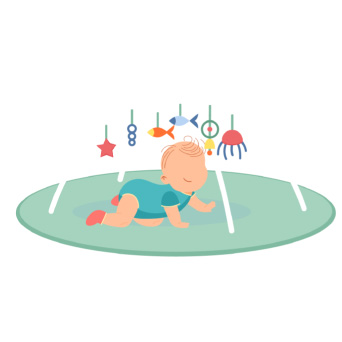
Sofea sat at the edge of her sofa one quiet afternoon, gently rocking her three-week-old son Aqif. Like many Malaysian mothers during confinement, her days were filled with feeding, burping, and trying to catch a little sleep whenever the baby allowed it. During their recent visit to the clinic, the paediatrician mentioned something new. “Make sure you start tummy time daily. It’s important for his development.”
Sofea nodded politely then, but now the words echoed in her mind. “Tummy time? Already?” She looked at Aqif’s tiny head resting softly against the pillow. He still seemed so fragile. The one time she tried placing him on his tummy, Aqif immediately protested with loud cries. “Maybe he’s too small,” Sofea thought. “What if I’m doing it wrong?”
If you have ever felt like Sofea – confused and worried about starting tummy time – you are not alone. Many Malaysian parents hear about tummy time but are unsure how to introduce it gently. The good news is that tummy time doesn’t need to be stressful. It can be a rewarding journey.
Why tummy time matters
For babies today, doctors recommend “Back to Sleep, Tummy to Play.” This means babies should sleep on their backs to reduce the risk of sudden infant death syndrome (SIDS). But when they are awake and supervised, spending time on their tummy is important. Studies have shown that tummy time helps babies to:
- Strengthen neck and shoulder muscles
- Develop motor skills needed for rolling and crawling
- Reduce risk of flat spots on the back of the head
- Improve visual and sensory development
In simple terms, it’s the baby’s first workout.
Stage 1: The gentle start
The next day, Sofea decided to try again. Instead of placing Aqif directly on the floor mat, she leaned back on the nursing chair and placed him on her chest. Aqif could hear her heartbeat and smell the familiar scent of his mother. Slowly, he lifted his chin just slightly, as if curious to look at her face. This is actually one of the best ways to start tummy time. Many parents don’t realise that tummy time can begin from the newborn period – even from the first few days at home, as long as the baby is awake, calm and supervised. Even one or two minutes at a time is enough in the beginning.
Stage 2: The towel trick
By the time Aqif was six weeks old, Sofea felt ready to try tummy time on the floor again. This time, she remembered a helpful trick shared by her nurse. She rolled up a small towel and placed it under Aqif’s chest. Instead of struggling flat against the mat, Aqif could now lift his head more easily. His eyes widened when he noticed a black-and-white card placed in front of him. He stayed on his tummy for almost three whole minutes. For a baby, that is a big achievement.
Stage 3: Making it fun
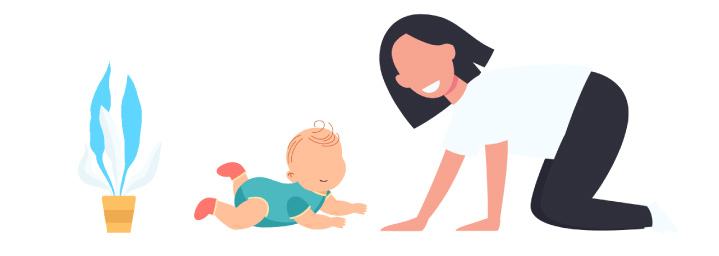
By three months, tummy time had transformed from a struggle into playtime. Sofea lay on the floor with Aqif, making funny faces and singing nursery rhymes. Sometimes she placed a baby-safe mirror in front of him. Babies are fascinated by faces especially their own. Soon Aqif began pushing himself up on his forearms, looking around proudly as if discovering a whole new world.
How much tummy time is enough?
Parents often ask this question. There is no need to stress about long sessions. A helpful rule is short and frequent sessions throughout the day. For example:
- Start with 1-3 minutes, several times a day for newborns
- As the baby grows stronger, slowly increase the total time. By around 2-3 months, many babies can manage 15-30 minutes spread across the day. Some may do more, but there is no need to force long sessions.
Many parents incorporate tummy time into daily routines such as:
- After diaper changes
- After naps
- During playtime on the floor
Three simple safety rules
As Sofea grew more confident, she kept three simple rules in mind:
- Always supervise: Tummy time should only happen when the baby is awake and watched by an adult.
- Start small: Even one minute is a good beginning.
- Use a firm surface: A play mat or carpeted floor works best. Sofas or beds are too soft and unsafe.
The milestone moment
At five months, Sofea watched Aqif proudly push himself up on straight arms. Soon he was reaching for toys, pivoting around like the hands of a tiny clock. His neck was stronger, his movements more confident, and his laughter filled the room. Sofea realised something important. Tummy time was never meant to be a chore. It was simply one of the first ways parents and babies learn to play together. Some babies will cry and some will resist but that’s okay. Like many parenting journeys, what began as tummy terror slowly would become tummy triumph.
5 Creative Tummy Time Games Parents Can Try
Tummy time doesn’t always have to feel like exercise. With a little creativity, it can become one of the most enjoyable parts of the day for both baby and parents.
1. Face-to-face chat
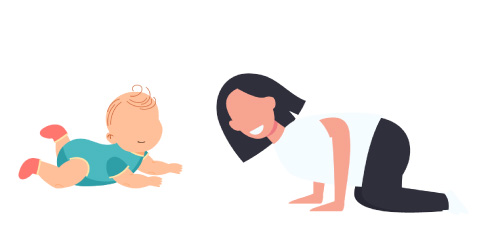
Lie down on the floor facing your baby while they are on their tummy. Babies love looking at faces. Talk to them, smile, make funny expressions, or sing simple songs. Many parents are surprised that babies will lift their heads higher just to maintain eye contact. This simple interaction strengthens your baby’s neck muscles while also building emotional bonding.
2. Mirror discovery
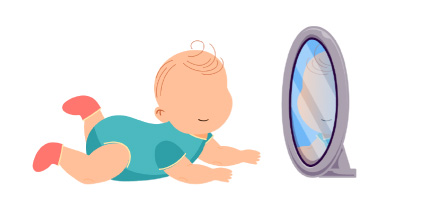
Place a baby-safe mirror in front of your baby during tummy time. At first, babies may stare curiously at the “other baby” in the mirror. As they grow older, they begin to smile, coo, and even try to reach out. This game encourages babies to lift their heads and stay longer on their tummy, while also stimulating visual development.
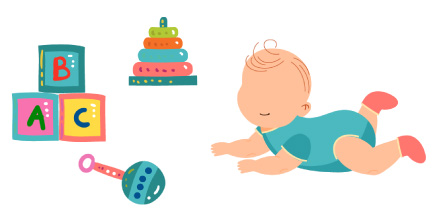
3. Toy treasure hunt
Place a few toys slightly out of reach around your baby during tummy time. Soft rattles, colourful toys, or even simple household objects like a small plastic measuring cup can work well. As babies grow stronger, they will begin to reach, stretch, and pivot to grab the toy. These small movements are the early steps that eventually lead to rolling and crawling.
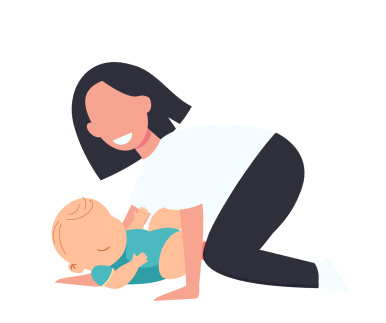
4. The parent tunnel
While you are sitting on the floor, gently place your baby on their tummy between your shins and thighs. Leaning over them creates a cozy “tunnel” that can help them feel secure. From this position, you can easily engage with your baby by playing peek-a-boo, clapping, or talking to them. This interaction encourages your baby to lift their head and strengthen their neck and shoulder muscles to see you, transforming tummy time into a bonding experience, a social and playful interaction.
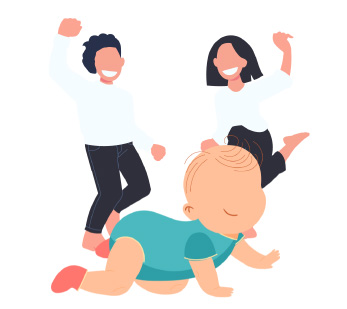
5. The family cheer squad
In many Malaysian homes, grandparents, siblings, and cousins are often around. Use this to your advantage. Let family members sit around the baby and talk, smile, and encourage them during tummy time. Babies respond to different voices and faces by lifting their heads and looking around. Suddenly tummy time becomes a mini family activity, and babies stay engaged longer without even realising they are exercising.