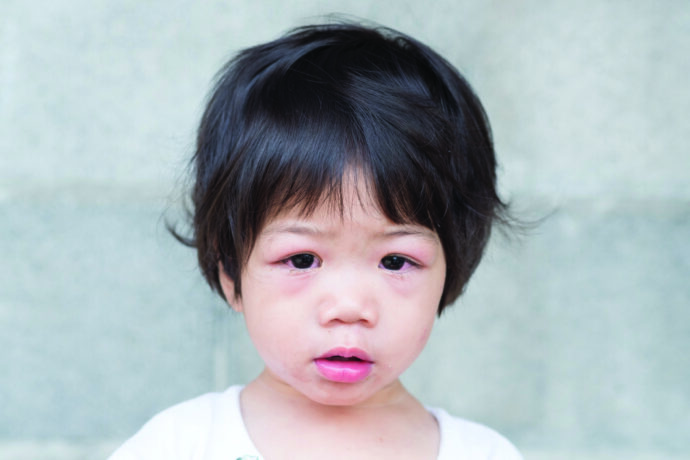
About 4% of children are affected by food allergies, with the common triggers being eggs, peanuts, tree nuts, cow’s milk, soy, wheat, fish, and shellfish. Fortunately, many children will outgrow their allergies by adulthood. Even so, this condition should not be ignored in their childhood, as allergic reactions can be life-threatening, and avoiding certain food groups altogether can prevent your child from getting proper nutrition.
Why do some children develop allergies to certain foods?
The exact reason is not fully understood. However, factors like family history, genetics, and the timing of food introduction are shown to influence the risk. Normally, foods are not perceived as invaders by the immune system. However, when a child with food allergies ingests certain foods, their immune system overreacts and triggers a series of responses that lead to allergic symptoms in the respiratory system, skin, and digestive system.
|
The immune system identifies the food as harmful |
-> | Produces immunoglobulin E (IgE), which attaches to the allergens | -> | The immune cells release histamine and other chemicals that cause inflammation | -> |
Allergic symptoms start to appear |
Precautions for parents
Food allergies should not hinder your child from getting the proper nutrition required for healthy growth and development. With careful planning and food preparation strategies, you can ensure that their meals are safe and nourishing. Even so, parents should note that accidental ingestion can still happen, especially when your child is not under constant supervision. Being prepared for such possibilities by implementing several safety measures is important in protecting your child from life-threatening reactions.
Food preparation strategies
- Stock up: Always keep allergy-free ingredients in stock to avoid running out of safe food options. Include suitable substitutes to meet your child’s nutritional needs, for example, using fortified soy beverage instead of milk, and brown rice instead of wheat.
- Separate: Store allergy-free foods separately from the ones with allergens in the pantry and refrigerator to avoid cross-contamination. Keep them covered or in sealed containers to minimise the exposure to airborne allergens.
- Check the labels: Allergens in trace amounts can still trigger a reaction. Make it a habit to carefully check the food labels for any allergens when buying groceries and each time before your child consumes the food.
- Avoid cross-contact: Never use the same kitchen utensils for both allergy-free foods and those containing allergens. Always wash your hands, utensils, and cooking surfaces thoroughly with soap and water. It is a good practice to prepare allergy-free meals first to reduce the risk of cross-contact.
Additional safety measures
- Medical identification: Make sure your child wears a medical alert bracelet with the information of their food allergies when they are away from home. This is to let other caretakers or medical personnel recognise their condition and respond immediately in the event of a medical emergency.
- Allergic medications: Your child’s physician may prescribe medications like antihistamine and adrenaline for mild to severe allergic reactions. Store them in easily accessible places at home, school, and other locations that your child regularly visits.
- Adrenaline auto-injector: This pen-like device is an auto-injector containing adrenaline for the treatment of severe allergic reactions. Your child should carry two of this device with them at all times, with the dose adjusted according to their body weight.
- Other caretakers: Inform your child’s teachers and other caretakers of the above precautions. Provide brief and specific instructions on the foods to avoid and guide them on the proper way of using the adrenaline auto-injector.
|
Watch out for a severe allergic reaction! |
| Severe allergic reaction, or anaphylaxis, is a life-threatening condition that requires urgent medical attention. The symptoms to look for include: |
|
| If any one of these symptoms is noticed minutes or hours after your child eats, administer adrenaline immediately and call for an ambulance. Anaphylaxis can occur in more than one episode; therefore, it is important that your child is under close monitoring by the healthcare practitioners until their condition improves. |
Preparing food for children with allergies can be tricky, but there are hassle-free ways to make their meals allergen-free without neglecting the nutritional requirements. By also prioritising other safety measures, parents can effectively manage food allergies and safeguard their child’s well-being both at home and when their child is away.